Compare commits
| Author | SHA1 | Date | |
|---|---|---|---|
 SkalskiP |
3da433f90f | ||
|
Piotr Skalski
|
a911cbd554 | ||
|
SkalskiP
|
d10618a8b3 | ||
|
Piotr Skalski
|
eaf5b7e95f | ||
|
Piotr Skalski
|
4ae8ac1db0 | ||
|
SkalskiP
|
74efca7c22 | ||
|
SkalskiP
|
3063dfb1f5 | ||
|
SkalskiP
|
6c81d21a03 | ||
|
SkalskiP
|
f4b91d0175 | ||
|
SkalskiP
|
45fdb1e805 | ||
|
SkalskiP
|
8c0a294ca1 | ||
|
SkalskiP
|
cf7f003133 | ||
|
SkalskiP
|
1bebbb14a6 | ||
|
SkalskiP
|
3d0aec03e0 | ||
|
SkalskiP
|
306d7bd27e | ||
|
SkalskiP
|
43fc5d6205 | ||
|
SkalskiP
|
d13238bc42 | ||
|
SkalskiP
|
77243f1752 | ||
|
SkalskiP
|
e16cca4349 | ||
|
Piotr Skalski
|
e592a44bea | ||
|
SkalskiP
|
c2833bc8ca | ||
|
SkalskiP
|
feb08d10b2 | ||
|
Piotr Skalski
|
74bd403dc0 | ||
|
SkalskiP
|
6a013382d3 | ||
|
Piotr Skalski
|
92290979c7 | ||
|
Hardik Dava
|
696b6f9276 | ||
|
iPoe
|
ac61598ad4 |
@@ -1,3 +1,10 @@
|
||||
### 0.7.0 <small>May 11, 2023</small>
|
||||
|
||||
- Added [[#91](https://github.com/roboflow/supervision/pull/91)]: `Detections.from_yolo_nas` to enable seamless integration with [YOLO-NAS](https://github.com/Deci-AI/super-gradients/blob/master/YOLONAS.md) model.
|
||||
- Added [[#86](https://github.com/roboflow/supervision/pull/86)]: ability to load datasets in YOLO format using `Dataset.from_yolo`.
|
||||
- Added [[#84](https://github.com/roboflow/supervision/pull/84)]: `Detections.merge` to merge multiple `Detections` objects together.
|
||||
- Fixed [[#81](https://github.com/roboflow/supervision/pull/81)]: `LineZoneAnnotator.annotate` does not return annotated frame.
|
||||
|
||||
### 0.6.0 <small>April 19, 2023</small>
|
||||
|
||||
- Added [[#71](https://github.com/roboflow/supervision/pull/71)]: initial `Dataset` support and ability to save `Detections` in Pascal VOC XML format.
|
||||
|
||||
@@ -0,0 +1,312 @@
|
||||
## advanced filtering
|
||||
|
||||
|
||||
The advanced filtering capabilities of the `Detections` class offer users a versatile and efficient way to narrow down
|
||||
and refine object detections. This section outlines various filtering methods, including filtering by specific class
|
||||
or a set of classes, confidence, object area, bounding box area, relative area, box dimensions, and designated zones.
|
||||
Each method is demonstrated with concise code examples to provide users with a clear understanding of how to implement
|
||||
the filters in their applications.
|
||||
|
||||
### by specific class
|
||||
|
||||
Allows you to select detections that belong only to one selected class.
|
||||
|
||||
=== "After"
|
||||
|
||||
```python
|
||||
import supervision as sv
|
||||
|
||||
detections = sv.Detections(...)
|
||||
detections = detections[detections.class_id == 0]
|
||||
```
|
||||
|
||||
<div class="result" markdown>
|
||||
|
||||
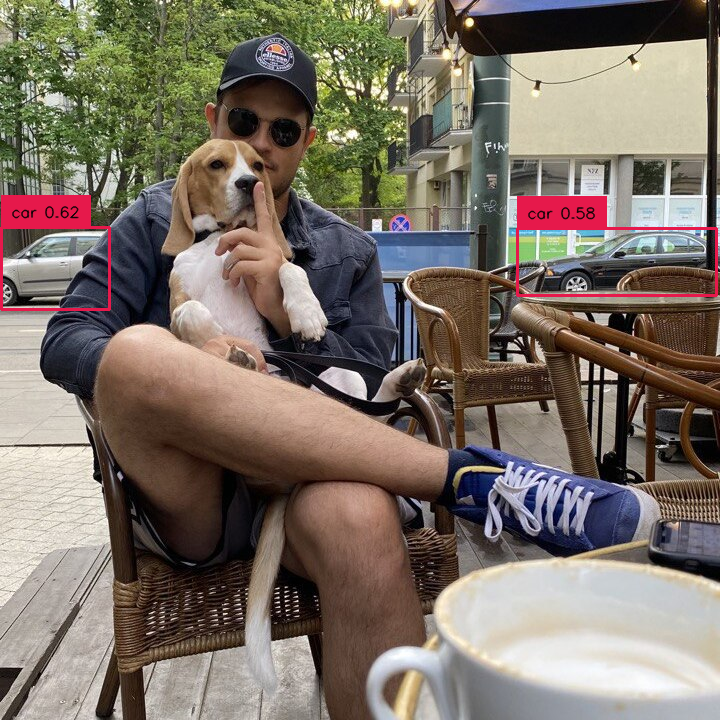{ align=center width="800" }
|
||||
|
||||
</div>
|
||||
|
||||
=== "Before"
|
||||
|
||||
```python
|
||||
import supervision as sv
|
||||
|
||||
detections = sv.Detections(...)
|
||||
detections = detections[detections.class_id == 0]
|
||||
```
|
||||
|
||||
<div class="result" markdown>
|
||||
|
||||
{ align=center width="800" }
|
||||
|
||||
</div>
|
||||
|
||||
|
||||
### by set of classes
|
||||
|
||||
Allows you to select detections that belong only to selected set of classes.
|
||||
|
||||
=== "After"
|
||||
|
||||
```python
|
||||
import numpy as np
|
||||
import supervision as sv
|
||||
|
||||
selected_classes = [0, 2, 3]
|
||||
detections = sv.Detections(...)
|
||||
detections = detections[np.isin(detections.class_id, selected_classes)]
|
||||
```
|
||||
|
||||
<div class="result" markdown>
|
||||
|
||||
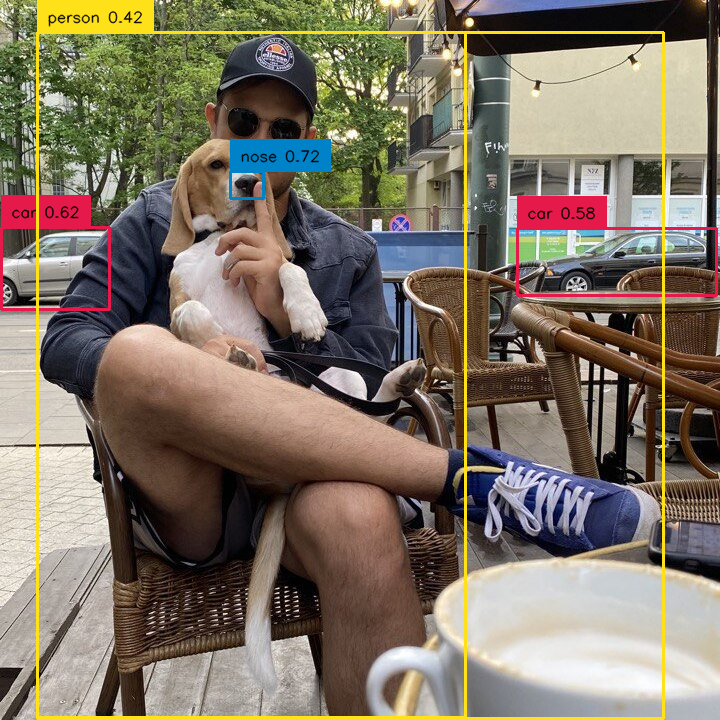{ align=center width="800" }
|
||||
|
||||
</div>
|
||||
|
||||
=== "Before"
|
||||
|
||||
```python
|
||||
import numpy as np
|
||||
import supervision as sv
|
||||
|
||||
class_id = [0, 2, 3]
|
||||
detections = sv.Detections(...)
|
||||
detections = detections[np.isin(detections.class_id, class_id)]
|
||||
```
|
||||
|
||||
<div class="result" markdown>
|
||||
|
||||
{ align=center width="800" }
|
||||
|
||||
</div>
|
||||
|
||||
### by confidence
|
||||
|
||||
Allows you to select detections with specific confidence value, for example higher than selected threshold.
|
||||
|
||||
=== "After"
|
||||
|
||||
```python
|
||||
import supervision as sv
|
||||
|
||||
detections = sv.Detections(...)
|
||||
detections = detections[detections.confidence > 0.5]
|
||||
```
|
||||
|
||||
<div class="result" markdown>
|
||||
|
||||
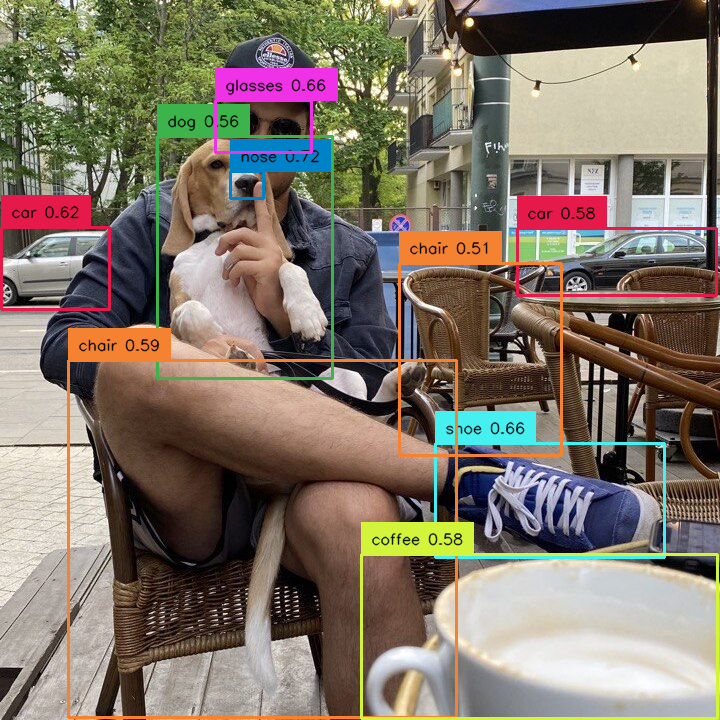{ align=center width="800" }
|
||||
|
||||
</div>
|
||||
|
||||
=== "Before"
|
||||
|
||||
```python
|
||||
import supervision as sv
|
||||
|
||||
detections = sv.Detections(...)
|
||||
detections = detections[detections.confidence > 0.5]
|
||||
```
|
||||
|
||||
<div class="result" markdown>
|
||||
|
||||
{ align=center width="800" }
|
||||
|
||||
</div>
|
||||
|
||||
### by area
|
||||
|
||||
Allows you to select detections based on their size. We define the area as the number of pixels occupied by the
|
||||
detection in the image. In the example below, we have sifted out the detections that are too small.
|
||||
|
||||
=== "After"
|
||||
|
||||
```python
|
||||
import supervision as sv
|
||||
|
||||
detections = sv.Detections(...)
|
||||
detections = detections[detections.area > 1000]
|
||||
```
|
||||
|
||||
<div class="result" markdown>
|
||||
|
||||
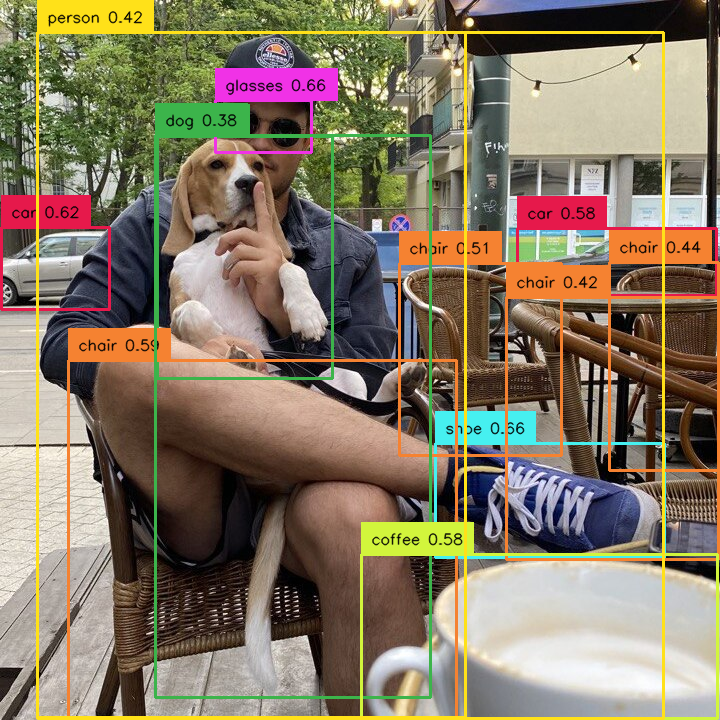{ align=center width="800" }
|
||||
|
||||
</div>
|
||||
|
||||
=== "Before"
|
||||
|
||||
```python
|
||||
import supervision as sv
|
||||
|
||||
detections = sv.Detections(...)
|
||||
detections = detections[detections.area > 1000]
|
||||
```
|
||||
|
||||
<div class="result" markdown>
|
||||
|
||||
{ align=center width="800" }
|
||||
|
||||
</div>
|
||||
|
||||
### by relative area
|
||||
|
||||
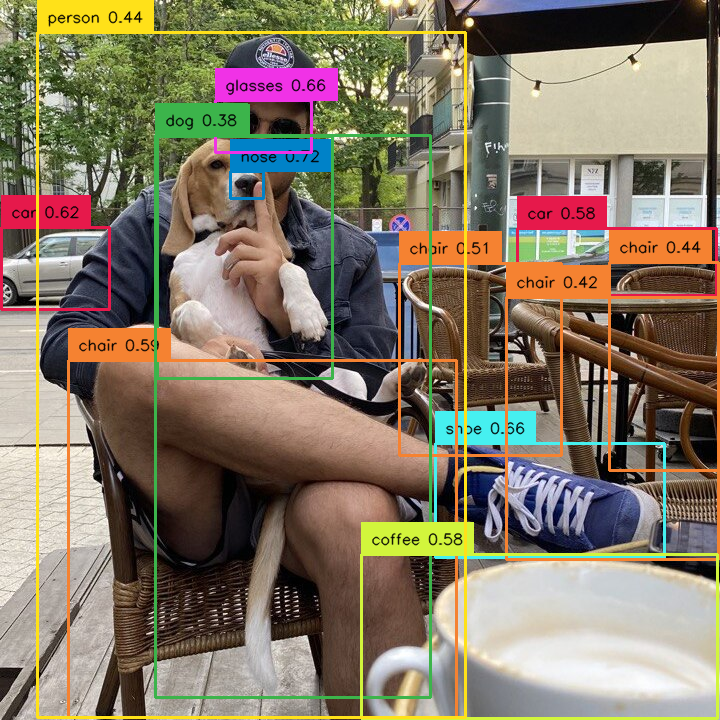
Allows you to select detections based on their size in relation to the size of whole image. Sometimes the concept of
|
||||
detection size changes depending on the image. Detection occupying 10000 square px can be large on a 1280x720 image
|
||||
but small on a 3840x2160 image. In such cases, we can filter out detections based on the percentage of the image area
|
||||
occupied by them. In the example below, we remove too large detections.
|
||||
|
||||
=== "After"
|
||||
|
||||
```python
|
||||
import supervision as sv
|
||||
|
||||
image = ...
|
||||
height, width, channels = image.shape
|
||||
image_area = height * width
|
||||
|
||||
detections = sv.Detections(...)
|
||||
detections = detections[(detections.area / image_area) < 0.8]
|
||||
```
|
||||
|
||||
<div class="result" markdown>
|
||||
|
||||
{ align=center width="800" }
|
||||
|
||||
</div>
|
||||
|
||||
=== "Before"
|
||||
|
||||
```python
|
||||
import supervision as sv
|
||||
|
||||
image = ...
|
||||
height, width, channels = image.shape
|
||||
image_area = height * width
|
||||
|
||||
detections = sv.Detections(...)
|
||||
detections = detections[(detections.area / image_area) < 0.8]
|
||||
```
|
||||
|
||||
<div class="result" markdown>
|
||||
|
||||
{ align=center width="800" }
|
||||
|
||||
</div>
|
||||
|
||||
### by box dimensions
|
||||
|
||||
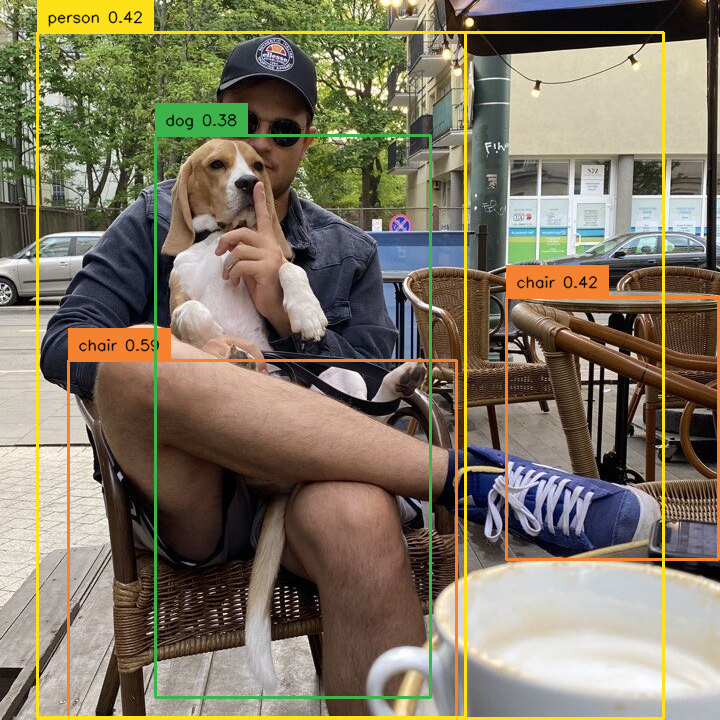
Allows you to select detections based on their dimensions. The size of the bounding box, as well as its coordinates,
|
||||
can be criteria for rejecting detection. Implementing such filtering requires a bit of custom code but is relatively
|
||||
simple and fast.
|
||||
|
||||
=== "After"
|
||||
|
||||
```python
|
||||
import supervision as sv
|
||||
|
||||
detections = sv.Detections(...)
|
||||
w = detections.xyxy[:, 2] - detections.xyxy[:, 0]
|
||||
h = detections.xyxy[:, 3] - detections.xyxy[:, 1]
|
||||
detections = detections[(w > 200) & (h > 200)]
|
||||
```
|
||||
|
||||
<div class="result" markdown>
|
||||
|
||||
{ align=center width="800" }
|
||||
|
||||
</div>
|
||||
|
||||
=== "Before"
|
||||
|
||||
```python
|
||||
import supervision as sv
|
||||
|
||||
detections = sv.Detections(...)
|
||||
w = detections.xyxy[:, 2] - detections.xyxy[:, 0]
|
||||
h = detections.xyxy[:, 3] - detections.xyxy[:, 1]
|
||||
detections = detections[(w > 200) & (h > 200)]
|
||||
```
|
||||
|
||||
<div class="result" markdown>
|
||||
|
||||
{ align=center width="800" }
|
||||
|
||||
</div>
|
||||
|
||||
### by `PolygonZone`
|
||||
|
||||
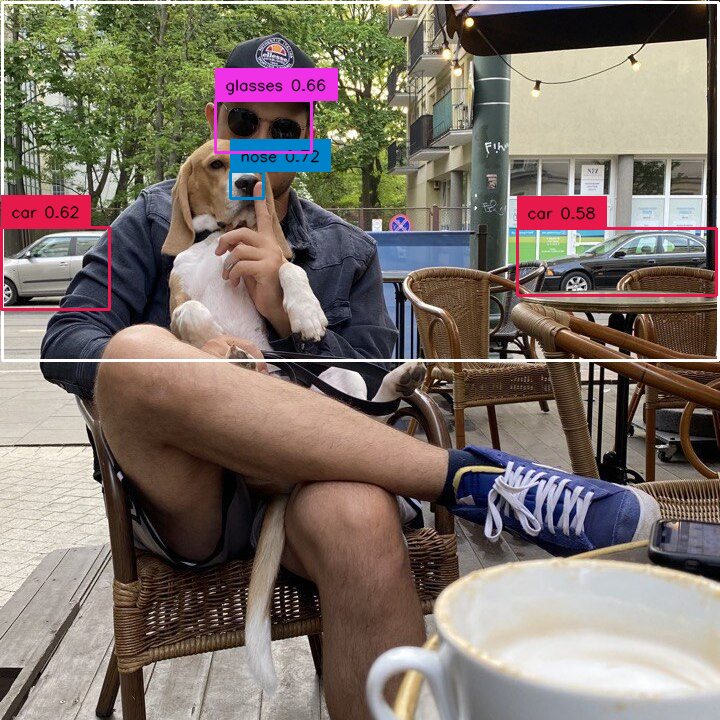
Allows you to use `Detections` in combination with `PolygonZone` to weed out bounding boxes that are in and out of the
|
||||
zone. In the example below you can see how to filter out all detections located in the lower part of the image.
|
||||
|
||||
=== "After"
|
||||
|
||||
```python
|
||||
import supervision as sv
|
||||
|
||||
zone = sv.PolygonZone(...)
|
||||
detections = sv.Detections(...)
|
||||
mask = zone.trigger(detections=detections)
|
||||
detections = detections[mask]
|
||||
```
|
||||
|
||||
<div class="result" markdown>
|
||||
|
||||
{ align=center width="800" }
|
||||
|
||||
</div>
|
||||
|
||||
=== "Before"
|
||||
|
||||
```python
|
||||
import supervision as sv
|
||||
|
||||
zone = sv.PolygonZone(...)
|
||||
detections = sv.Detections(...)
|
||||
mask = zone.trigger(detections=detections)
|
||||
detections = detections[mask]
|
||||
```
|
||||
|
||||
<div class="result" markdown>
|
||||
|
||||
{ align=center width="800" }
|
||||
|
||||
</div>
|
||||
|
||||
### by mixed conditions
|
||||
|
||||
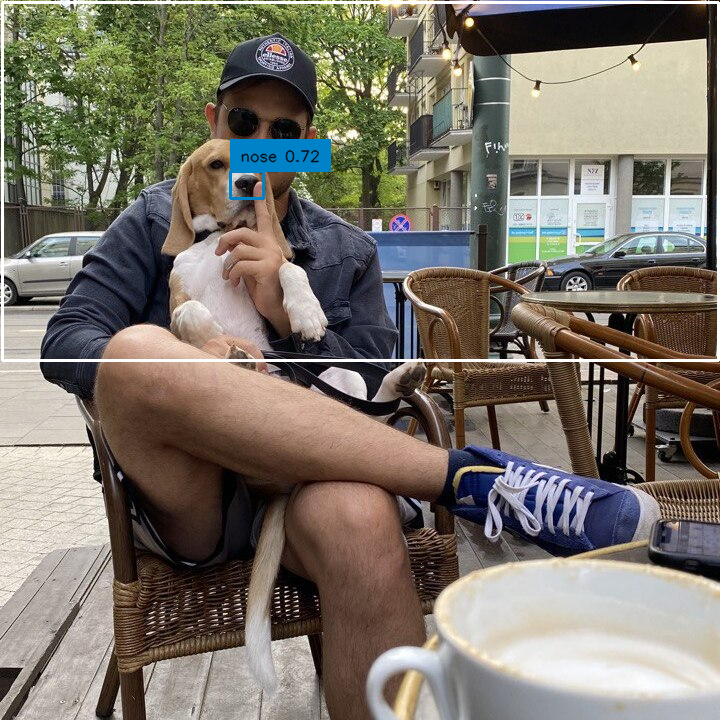
`Detections`' greatest strength, however, is that you can build arbitrarily complex logical conditions by simply combining separate conditions using `&` or `|`.
|
||||
|
||||
=== "After"
|
||||
|
||||
```python
|
||||
import supervision as sv
|
||||
|
||||
zone = sv.PolygonZone(...)
|
||||
detections = sv.Detections(...)
|
||||
mask = zone.trigger(detections=detections)
|
||||
detections = detections[(detections.confidence > 0.7) & mask]
|
||||
```
|
||||
|
||||
<div class="result" markdown>
|
||||
|
||||
{ align=center width="800" }
|
||||
|
||||
</div>
|
||||
|
||||
=== "Before"
|
||||
|
||||
```python
|
||||
import supervision as sv
|
||||
|
||||
zone = sv.PolygonZone(...)
|
||||
detections = sv.Detections(...)
|
||||
mask = zone.trigger(detections=detections)
|
||||
detections = detections[mask]
|
||||
```
|
||||
|
||||
<div class="result" markdown>
|
||||
|
||||
{ align=center width="800" }
|
||||
|
||||
</div>
|
||||
@@ -0,0 +1,4 @@
|
||||
:root {
|
||||
--md-primary-fg-color: #8315F9;
|
||||
--md-accent-fg-color: #00FFCE;
|
||||
}
|
||||
+25
-4
@@ -21,10 +21,15 @@ extra:
|
||||
provider: google
|
||||
property: G-P7ZG0Y19G5
|
||||
|
||||
extra_css:
|
||||
- stylesheets/extra.css
|
||||
|
||||
nav:
|
||||
- Home: index.md
|
||||
- Quickstart:
|
||||
- Detections: quickstart/detections.md
|
||||
- API reference:
|
||||
- Detection:
|
||||
- Detections:
|
||||
- Core: detection/core.md
|
||||
- Annotate: detection/annotate.md
|
||||
- Utils: detection/utils.md
|
||||
@@ -36,7 +41,8 @@ nav:
|
||||
- Utils: draw/utils.md
|
||||
- Notebook:
|
||||
- Utils: notebook/utils.md
|
||||
- Video: video.md
|
||||
- Video:
|
||||
- Utils: video.md
|
||||
- Changelog: changelog.md
|
||||
|
||||
theme:
|
||||
@@ -44,8 +50,19 @@ theme:
|
||||
logo: https://media.roboflow.com/open-source/supervision/supervision-lenny.png
|
||||
favicon: https://media.roboflow.com/open-source/supervision/supervision-lenny.png
|
||||
palette:
|
||||
primary: 'deep purple'
|
||||
accent: 'teal'
|
||||
# Palette for light mode
|
||||
- scheme: default
|
||||
primary: 'custom'
|
||||
toggle:
|
||||
icon: material/brightness-7
|
||||
name: Switch to dark mode
|
||||
|
||||
# Palette toggle for dark mode
|
||||
- scheme: slate
|
||||
primary: 'custom'
|
||||
toggle:
|
||||
icon: material/brightness-4
|
||||
name: Switch to light mode
|
||||
font:
|
||||
text: Roboto
|
||||
code: Roboto Mono
|
||||
@@ -58,5 +75,9 @@ markdown_extensions:
|
||||
- admonition
|
||||
- pymdownx.details
|
||||
- pymdownx.superfences
|
||||
- attr_list
|
||||
- md_in_html
|
||||
- pymdownx.tabbed:
|
||||
alternate_style: true
|
||||
- toc:
|
||||
permalink: true
|
||||
@@ -1,4 +1,4 @@
|
||||
__version__ = "0.6.0"
|
||||
__version__ = "0.7.0"
|
||||
|
||||
from supervision.dataset.core import Dataset
|
||||
from supervision.detection.annotate import BoxAnnotator, MaskAnnotator
|
||||
|
||||
@@ -2,7 +2,7 @@ from __future__ import annotations
|
||||
|
||||
from dataclasses import dataclass
|
||||
from pathlib import Path
|
||||
from typing import Dict, List, Optional, Tuple
|
||||
from typing import Dict, List, Optional, Tuple, Iterator
|
||||
|
||||
import cv2
|
||||
import numpy as np
|
||||
@@ -11,6 +11,7 @@ from supervision.dataset.formats.pascal_voc import (
|
||||
detections_to_pascal_voc,
|
||||
load_pascal_voc_annotations,
|
||||
)
|
||||
from supervision.dataset.formats.yolo import load_yolo_annotations
|
||||
from supervision.detection.core import Detections
|
||||
from supervision.file import list_files_with_extensions
|
||||
|
||||
@@ -30,6 +31,26 @@ class Dataset:
|
||||
images: Dict[str, np.ndarray]
|
||||
annotations: Dict[str, Detections]
|
||||
|
||||
def __len__(self) -> int:
|
||||
"""
|
||||
Return the number of images in the dataset.
|
||||
|
||||
Returns:
|
||||
int: The number of images.
|
||||
"""
|
||||
return len(self.images)
|
||||
|
||||
def __iter__(self) -> Iterator[Tuple[str, np.ndarray, Detections]]:
|
||||
"""
|
||||
Iterate over the images and annotations in the dataset.
|
||||
|
||||
Yields:
|
||||
Iterator[Tuple[str, np.ndarray, Detections]]: An iterator that yields tuples containing the image name,
|
||||
the image data, and its corresponding annotation.
|
||||
"""
|
||||
for image_name, image in self.images.items():
|
||||
yield image_name, image, self.annotations.get(image_name, None)
|
||||
|
||||
def as_pascal_voc(
|
||||
self,
|
||||
images_directory_path: Optional[str] = None,
|
||||
@@ -96,6 +117,28 @@ class Dataset:
|
||||
|
||||
Returns:
|
||||
Dataset: A Dataset instance containing the loaded images and annotations.
|
||||
|
||||
Example:
|
||||
```python
|
||||
>>> import roboflow
|
||||
>>> from roboflow import Roboflow
|
||||
>>> import supervision as sv
|
||||
|
||||
>>> roboflow.login()
|
||||
|
||||
>>> rf = Roboflow()
|
||||
|
||||
>>> project = rf.workspace(WORKSPACE_ID).project(PROJECT_ID)
|
||||
>>> dataset = project.version(PROJECT_VERSION).download("voc")
|
||||
|
||||
>>> train_dataset = sv.Dataset.from_yolo(
|
||||
... images_directory_path=f"{dataset.location}/train/images",
|
||||
... annotations_directory_path=f"{dataset.location}/train/labels"
|
||||
... )
|
||||
|
||||
>>> dataset.classes
|
||||
['dog', 'person']
|
||||
```
|
||||
"""
|
||||
image_paths = list_files_with_extensions(
|
||||
directory=images_directory_path, extensions=["jpg", "jpeg", "png"]
|
||||
@@ -126,3 +169,54 @@ class Dataset:
|
||||
image_name: detections for image_name, detections, _ in raw_annotations
|
||||
}
|
||||
return Dataset(classes=classes, images=images, annotations=annotations)
|
||||
|
||||
@classmethod
|
||||
def from_yolo(
|
||||
cls,
|
||||
images_directory_path: str,
|
||||
annotations_directory_path: str,
|
||||
data_yaml_path: str,
|
||||
force_masks: bool = False,
|
||||
) -> Dataset:
|
||||
"""
|
||||
Creates a Dataset instance from YOLO formatted data.
|
||||
|
||||
Args:
|
||||
images_directory_path (str): The path to the directory containing the images.
|
||||
annotations_directory_path (str): The path to the directory containing the YOLO annotation files.
|
||||
data_yaml_path (str): The path to the data YAML file containing class information.
|
||||
force_masks (bool, optional): If True, forces masks to be loaded for all annotations, regardless of whether they are present.
|
||||
|
||||
Returns:
|
||||
Dataset: A Dataset instance containing the loaded images and annotations.
|
||||
|
||||
Example:
|
||||
```python
|
||||
>>> import roboflow
|
||||
>>> from roboflow import Roboflow
|
||||
>>> import supervision as sv
|
||||
|
||||
>>> roboflow.login()
|
||||
|
||||
>>> rf = Roboflow()
|
||||
|
||||
>>> project = rf.workspace(WORKSPACE_ID).project(PROJECT_ID)
|
||||
>>> dataset = project.version(PROJECT_VERSION).download("yolov5")
|
||||
|
||||
>>> train_dataset = sv.Dataset.from_yolo(
|
||||
... images_directory_path=f"{dataset.location}/train/images",
|
||||
... annotations_directory_path=f"{dataset.location}/train/labels",
|
||||
... data_yaml_path=f"{dataset.location}/data.yaml"
|
||||
... )
|
||||
|
||||
>>> dataset.classes
|
||||
['dog', 'person']
|
||||
```
|
||||
"""
|
||||
classes, images, annotations = load_yolo_annotations(
|
||||
images_directory_path=images_directory_path,
|
||||
annotations_directory_path=annotations_directory_path,
|
||||
data_yaml_path=data_yaml_path,
|
||||
force_masks=force_masks,
|
||||
)
|
||||
return Dataset(classes=classes, images=images, annotations=annotations)
|
||||
|
||||
@@ -4,13 +4,9 @@ from xml.etree.ElementTree import Element, SubElement, parse, tostring
|
||||
|
||||
import numpy as np
|
||||
|
||||
from supervision.dataset.ultils import approximate_mask_with_polygons
|
||||
from supervision.detection.core import Detections
|
||||
from supervision.detection.utils import (
|
||||
approximate_polygon,
|
||||
filter_polygons_by_area,
|
||||
mask_to_polygons,
|
||||
polygon_to_xyxy,
|
||||
)
|
||||
from supervision.detection.utils import polygon_to_xyxy
|
||||
|
||||
|
||||
def object_to_pascal_voc(
|
||||
@@ -104,24 +100,16 @@ def detections_to_pascal_voc(
|
||||
for xyxy, mask, _, class_id, _ in detections:
|
||||
name = classes[class_id]
|
||||
if mask is not None:
|
||||
polygons = mask_to_polygons(mask=mask)
|
||||
if len(polygons) == 1:
|
||||
polygons = filter_polygons_by_area(
|
||||
polygons=polygons, min_area=None, max_area=maximum_detection_area
|
||||
)
|
||||
else:
|
||||
polygons = filter_polygons_by_area(
|
||||
polygons=polygons,
|
||||
min_area=minimum_detection_area,
|
||||
max_area=maximum_detection_area,
|
||||
)
|
||||
polygons = approximate_mask_with_polygons(
|
||||
mask=mask,
|
||||
min_image_area_percentage=min_image_area_percentage,
|
||||
max_image_area_percentage=max_image_area_percentage,
|
||||
approximation_percentage=approximation_percentage,
|
||||
)
|
||||
for polygon in polygons:
|
||||
approx_polygon = approximate_polygon(
|
||||
polygon=polygon, percentage=approximation_percentage
|
||||
)
|
||||
xyxy = polygon_to_xyxy(polygon=approx_polygon)
|
||||
xyxy = polygon_to_xyxy(polygon=polygon)
|
||||
next_object = object_to_pascal_voc(
|
||||
xyxy=xyxy, name=name, polygon=approx_polygon
|
||||
xyxy=xyxy, name=name, polygon=polygon
|
||||
)
|
||||
annotation.append(next_object)
|
||||
else:
|
||||
|
||||
@@ -0,0 +1,161 @@
|
||||
from pathlib import Path
|
||||
from typing import Dict, List, Tuple, Union
|
||||
|
||||
import cv2
|
||||
import numpy as np
|
||||
|
||||
from supervision.detection.core import Detections
|
||||
from supervision.detection.utils import polygon_to_mask, polygon_to_xyxy
|
||||
from supervision.file import list_files_with_extensions, read_txt_file
|
||||
|
||||
|
||||
def _parse_box(values: List[str]) -> np.ndarray:
|
||||
x_center, y_center, width, height = values
|
||||
return np.array(
|
||||
[
|
||||
float(x_center) - float(width) / 2,
|
||||
float(y_center) - float(height) / 2,
|
||||
float(x_center) + float(width) / 2,
|
||||
float(y_center) + float(height) / 2,
|
||||
],
|
||||
dtype=np.float32,
|
||||
)
|
||||
|
||||
|
||||
def _box_to_polygon(box: np.ndarray) -> np.ndarray:
|
||||
return np.array(
|
||||
[[box[0], box[1]], [box[2], box[1]], [box[2], box[3]], [box[0], box[3]]]
|
||||
)
|
||||
|
||||
|
||||
def _parse_polygon(values: List[str]) -> np.ndarray:
|
||||
return np.array(values, dtype=np.float32).reshape(-1, 2)
|
||||
|
||||
|
||||
def _polygons_to_masks(
|
||||
polygons: List[np.ndarray], resolution_wh: Tuple[int, int]
|
||||
) -> np.ndarray:
|
||||
return np.array(
|
||||
[
|
||||
polygon_to_mask(polygon=polygon, resolution_wh=resolution_wh)
|
||||
for polygon in polygons
|
||||
],
|
||||
dtype=bool,
|
||||
)
|
||||
|
||||
|
||||
def _pair_image_with_annotation(
|
||||
image_paths: List[Union[str, Path]], annotation_paths: List[Union[str, Path]]
|
||||
) -> List[Tuple[Union[str, Path], Union[str, Path]]]:
|
||||
image_dict = {p.stem: p for p in image_paths}
|
||||
return [
|
||||
(image_dict[annotation_path.stem], annotation_path)
|
||||
for annotation_path in annotation_paths
|
||||
if annotation_path.stem in image_dict
|
||||
]
|
||||
|
||||
|
||||
def _with_mask(lines: List[str]) -> bool:
|
||||
return any([len(line.split()) > 5 for line in lines])
|
||||
|
||||
|
||||
def _extract_class_names(file_path: str) -> List[str]:
|
||||
names = []
|
||||
|
||||
with open(file_path, "r") as file:
|
||||
lines = file.readlines()
|
||||
for line in lines:
|
||||
if line.strip().startswith("names:"):
|
||||
start_index = lines.index(line) + 1
|
||||
break
|
||||
|
||||
for line in lines[start_index:]:
|
||||
if line.strip().startswith("-"):
|
||||
names.append(line.strip().replace("-", "").strip())
|
||||
else:
|
||||
break
|
||||
|
||||
return names
|
||||
|
||||
|
||||
def yolo_annotations_to_detections(
|
||||
lines: List[str], resolution_wh: Tuple[int, int], with_masks: bool
|
||||
) -> Detections:
|
||||
if len(lines) == 0:
|
||||
return Detections.empty()
|
||||
|
||||
class_id, relative_xyxy, relative_polygon = [], [], []
|
||||
w, h = resolution_wh
|
||||
for line in lines:
|
||||
values = line.split()
|
||||
class_id.append(int(values[0]))
|
||||
if len(values) == 5:
|
||||
box = _parse_box(values=values[1:])
|
||||
relative_xyxy.append(box)
|
||||
if with_masks:
|
||||
relative_polygon.append(_box_to_polygon(box=box))
|
||||
elif len(values) > 5:
|
||||
polygon = _parse_polygon(values=values[1:])
|
||||
relative_xyxy.append(polygon_to_xyxy(polygon=polygon))
|
||||
if with_masks:
|
||||
relative_polygon.append(polygon)
|
||||
|
||||
class_id = np.array(class_id, dtype=int)
|
||||
relative_xyxy = np.array(relative_xyxy, dtype=np.float32)
|
||||
xyxy = relative_xyxy * np.array([w, h, w, h], dtype=np.float32)
|
||||
|
||||
if not with_masks:
|
||||
return Detections(class_id=class_id, xyxy=xyxy)
|
||||
|
||||
polygons = [
|
||||
(polygon * np.array(resolution_wh)).astype(int) for polygon in relative_polygon
|
||||
]
|
||||
mask = _polygons_to_masks(polygons=polygons, resolution_wh=resolution_wh)
|
||||
return Detections(class_id=class_id, xyxy=xyxy, mask=mask)
|
||||
|
||||
|
||||
def load_yolo_annotations(
|
||||
images_directory_path: str,
|
||||
annotations_directory_path: str,
|
||||
data_yaml_path: str,
|
||||
force_masks: bool = False,
|
||||
) -> Tuple[List[str], Dict[str, np.ndarray], Dict[str, Detections]]:
|
||||
"""
|
||||
Loads YOLO annotations and returns class names, images, and their corresponding detections.
|
||||
|
||||
Args:
|
||||
images_directory_path (str): The path to the directory containing the images.
|
||||
annotations_directory_path (str): The path to the directory containing the YOLO annotation files.
|
||||
data_yaml_path (str): The path to the data YAML file containing class information.
|
||||
force_masks (bool, optional): If True, forces masks to be loaded for all annotations, regardless of whether they are present.
|
||||
|
||||
Returns:
|
||||
Tuple[List[str], Dict[str, np.ndarray], Dict[str, Detections]]: A tuple containing a list of class names, a dictionary with image paths as keys and images as values, and a dictionary with image paths as keys and corresponding Detections instances as values.
|
||||
"""
|
||||
image_paths = list_files_with_extensions(
|
||||
directory=images_directory_path, extensions=["jpg", "jpeg", "png"]
|
||||
)
|
||||
annotation_paths = list_files_with_extensions(
|
||||
directory=annotations_directory_path, extensions=["txt"]
|
||||
)
|
||||
path_pairs = _pair_image_with_annotation(
|
||||
image_paths=image_paths, annotation_paths=annotation_paths
|
||||
)
|
||||
classes = _extract_class_names(file_path=data_yaml_path)
|
||||
images = {}
|
||||
annotations = {}
|
||||
for image_path, annotation_path in path_pairs:
|
||||
image = cv2.imread(str(image_path))
|
||||
lines = read_txt_file(str(annotation_path))
|
||||
h, w, _ = image.shape
|
||||
resolution_wh = (w, h)
|
||||
|
||||
with_masks = _with_mask(lines=lines)
|
||||
with_masks = force_masks if force_masks else with_masks
|
||||
annotation = yolo_annotations_to_detections(
|
||||
lines=lines, resolution_wh=resolution_wh, with_masks=with_masks
|
||||
)
|
||||
|
||||
images[str(image_path)] = image
|
||||
annotations[str(image_path)] = annotation
|
||||
return classes, images, annotations
|
||||
@@ -0,0 +1,37 @@
|
||||
from typing import List
|
||||
|
||||
import numpy as np
|
||||
|
||||
from supervision.detection.utils import (
|
||||
approximate_polygon,
|
||||
filter_polygons_by_area,
|
||||
mask_to_polygons,
|
||||
)
|
||||
|
||||
|
||||
def approximate_mask_with_polygons(
|
||||
mask: np.ndarray,
|
||||
min_image_area_percentage: float = 0.0,
|
||||
max_image_area_percentage: float = 1.0,
|
||||
approximation_percentage: float = 0.75,
|
||||
) -> List[np.ndarray]:
|
||||
height, width = mask
|
||||
image_area = height * width
|
||||
minimum_detection_area = min_image_area_percentage * image_area
|
||||
maximum_detection_area = max_image_area_percentage * image_area
|
||||
|
||||
polygons = mask_to_polygons(mask=mask)
|
||||
if len(polygons) == 1:
|
||||
polygons = filter_polygons_by_area(
|
||||
polygons=polygons, min_area=None, max_area=maximum_detection_area
|
||||
)
|
||||
else:
|
||||
polygons = filter_polygons_by_area(
|
||||
polygons=polygons,
|
||||
min_area=minimum_detection_area,
|
||||
max_area=maximum_detection_area,
|
||||
)
|
||||
return [
|
||||
approximate_polygon(polygon=polygon, percentage=approximation_percentage)
|
||||
for polygon in polygons
|
||||
]
|
||||
@@ -47,13 +47,34 @@ class BoxAnnotator:
|
||||
"""
|
||||
Draws bounding boxes on the frame using the detections provided.
|
||||
|
||||
Parameters:
|
||||
Args:
|
||||
scene (np.ndarray): The image on which the bounding boxes will be drawn
|
||||
detections (Detections): The detections for which the bounding boxes will be drawn
|
||||
labels (Optional[List[str]]): An optional list of labels corresponding to each detection. If labels is provided, the confidence score of the detection will be replaced with the label.
|
||||
skip_label (bool): Is set to True, skips bounding box label annotation.
|
||||
labels (Optional[List[str]]): An optional list of labels corresponding to each detection. If `labels` are not provided, corresponding `class_id` will be used as label.
|
||||
skip_label (bool): Is set to `True`, skips bounding box label annotation.
|
||||
Returns:
|
||||
np.ndarray: The image with the bounding boxes drawn on it
|
||||
|
||||
Example:
|
||||
```python
|
||||
>>> import supervision as sv
|
||||
|
||||
>>> classes = ['person', ...]
|
||||
>>> image = ...
|
||||
>>> detections = sv.Detections(...)
|
||||
|
||||
>>> box_annotator = sv.BoxAnnotator()
|
||||
>>> labels = [
|
||||
... f"{classes[class_id]} {confidence:0.2f}"
|
||||
... for _, _, confidence, class_id, _
|
||||
... in detections
|
||||
... ]
|
||||
>>> annotated_frame = box_annotator.annotate(
|
||||
... scene=image.copy(),
|
||||
... detections=detections,
|
||||
... labels=labels
|
||||
... )
|
||||
```
|
||||
"""
|
||||
font = cv2.FONT_HERSHEY_SIMPLEX
|
||||
for i in range(len(detections)):
|
||||
@@ -139,7 +160,7 @@ class MaskAnnotator:
|
||||
"""
|
||||
Overlays the masks on the given image based on the provided detections, with a specified opacity.
|
||||
|
||||
Parameters:
|
||||
Args:
|
||||
scene (np.ndarray): The image on which the masks will be overlaid
|
||||
detections (Detections): The detections for which the masks will be overlaid
|
||||
opacity (float): The opacity of the masks, between 0 and 1, default is 0.5
|
||||
|
||||
+169
-12
@@ -1,12 +1,13 @@
|
||||
from __future__ import annotations
|
||||
|
||||
from dataclasses import dataclass
|
||||
from dataclasses import astuple, dataclass
|
||||
from typing import Any, Iterator, List, Optional, Tuple
|
||||
|
||||
import numpy as np
|
||||
|
||||
from supervision.detection.utils import non_max_suppression, xywh_to_xyxy
|
||||
from supervision.geometry.core import Position
|
||||
from supervision.internal import deprecated
|
||||
|
||||
|
||||
def _validate_xyxy(xyxy: Any, n: int) -> None:
|
||||
@@ -136,7 +137,7 @@ class Detections:
|
||||
@classmethod
|
||||
def from_yolov5(cls, yolov5_results) -> Detections:
|
||||
"""
|
||||
Creates a Detections instance from a YOLOv5 output Detections
|
||||
Creates a Detections instance from a [YOLOv5](https://github.com/ultralytics/yolov5) inference result.
|
||||
|
||||
Args:
|
||||
yolov5_results (yolov5.models.common.Detections): The output Detections instance from YOLOv5
|
||||
@@ -146,12 +147,14 @@ class Detections:
|
||||
|
||||
Example:
|
||||
```python
|
||||
>>> import cv2
|
||||
>>> import torch
|
||||
>>> from supervision import Detections
|
||||
>>> import supervision as sv
|
||||
|
||||
>>> image = cv2.imread(SOURCE_IMAGE_PATH)
|
||||
>>> model = torch.hub.load('ultralytics/yolov5', 'yolov5s')
|
||||
>>> results = model(IMAGE)
|
||||
>>> detections = Detections.from_yolov5(results)
|
||||
>>> result = model(image)
|
||||
>>> detections = sv.Detections.from_yolov5(result)
|
||||
```
|
||||
"""
|
||||
yolov5_detections_predictions = yolov5_results.pred[0].cpu().cpu().numpy()
|
||||
@@ -164,7 +167,7 @@ class Detections:
|
||||
@classmethod
|
||||
def from_yolov8(cls, yolov8_results) -> Detections:
|
||||
"""
|
||||
Creates a Detections instance from a YOLOv8 output Results
|
||||
Creates a Detections instance from a [YOLOv8](https://github.com/ultralytics/ultralytics) inference result.
|
||||
|
||||
Args:
|
||||
yolov8_results (ultralytics.yolo.engine.results.Results): The output Results instance from YOLOv8
|
||||
@@ -174,12 +177,14 @@ class Detections:
|
||||
|
||||
Example:
|
||||
```python
|
||||
>>> import cv2
|
||||
>>> from ultralytics import YOLO
|
||||
>>> from supervision import Detections
|
||||
>>> import supervision as sv
|
||||
|
||||
>>> image = cv2.imread(SOURCE_IMAGE_PATH)
|
||||
>>> model = YOLO('yolov8s.pt')
|
||||
>>> yolov8_results = model(IMAGE)[0]
|
||||
>>> detections = Detections.from_yolov8(yolov8_results)
|
||||
>>> result = model(image)[0]
|
||||
>>> detections = sv.Detections.from_yolov8(result)
|
||||
```
|
||||
"""
|
||||
return cls(
|
||||
@@ -188,10 +193,39 @@ class Detections:
|
||||
class_id=yolov8_results.boxes.cls.cpu().numpy().astype(int),
|
||||
)
|
||||
|
||||
@classmethod
|
||||
def from_yolo_nas(cls, yolo_nas_results) -> Detections:
|
||||
"""
|
||||
Creates a Detections instance from a [YOLO-NAS](https://github.com/Deci-AI/super-gradients/blob/master/YOLONAS.md) inference result.
|
||||
|
||||
Args:
|
||||
yolo_nas_results (super_gradients.training.models.prediction_results.ImageDetectionPrediction): The output Results instance from YOLO-NAS
|
||||
|
||||
Returns:
|
||||
Detections: A new Detections object.
|
||||
|
||||
Example:
|
||||
```python
|
||||
>>> import cv2
|
||||
>>> from super_gradients.training import models
|
||||
>>> import supervision as sv
|
||||
|
||||
>>> image = cv2.imread(SOURCE_IMAGE_PATH)
|
||||
>>> model = models.get('yolo_nas_l', pretrained_weights="coco")
|
||||
>>> result = list(model.predict(image, conf=0.35))[0]
|
||||
>>> detections = sv.Detections.from_yolo_nas(result)
|
||||
```
|
||||
"""
|
||||
return cls(
|
||||
xyxy=yolo_nas_results.prediction.bboxes_xyxy,
|
||||
confidence=yolo_nas_results.prediction.confidence,
|
||||
class_id=yolo_nas_results.prediction.labels.astype(int),
|
||||
)
|
||||
|
||||
@classmethod
|
||||
def from_transformers(cls, transformers_results: dict) -> Detections:
|
||||
"""
|
||||
Creates a Detections instance from Object Detection Transformer output Results
|
||||
Creates a Detections instance from object detection [transformer](https://github.com/huggingface/transformers) inference result.
|
||||
|
||||
Returns:
|
||||
Detections: A new Detections object.
|
||||
@@ -204,6 +238,32 @@ class Detections:
|
||||
|
||||
@classmethod
|
||||
def from_detectron2(cls, detectron2_results) -> Detections:
|
||||
"""
|
||||
Create a Detections object from the [Detectron2](https://github.com/facebookresearch/detectron2) inference result.
|
||||
|
||||
Args:
|
||||
detectron2_results: The output of a Detectron2 model containing instances with prediction data.
|
||||
|
||||
Returns:
|
||||
(Detections): A Detections object containing the bounding boxes, class IDs, and confidences of the predictions.
|
||||
|
||||
Example:
|
||||
```python
|
||||
>>> import cv2
|
||||
>>> from detectron2.engine import DefaultPredictor
|
||||
>>> from detectron2.config import get_cfg
|
||||
>>> import supervision as sv
|
||||
|
||||
>>> image = cv2.imread(SOURCE_IMAGE_PATH)
|
||||
>>> cfg = get_cfg()
|
||||
>>> cfg.merge_from_file("path/to/config.yaml")
|
||||
>>> cfg.MODEL.WEIGHTS = "path/to/model_weights.pth"
|
||||
>>> predictor = DefaultPredictor(cfg)
|
||||
>>> result = predictor(image)
|
||||
|
||||
>>> detections = sv.Detections.from_detectron2(result)
|
||||
```
|
||||
"""
|
||||
return cls(
|
||||
xyxy=detectron2_results["instances"].pred_boxes.tensor.cpu().numpy(),
|
||||
confidence=detectron2_results["instances"].scores.cpu().numpy(),
|
||||
@@ -215,6 +275,38 @@ class Detections:
|
||||
|
||||
@classmethod
|
||||
def from_roboflow(cls, roboflow_result: dict, class_list: List[str]) -> Detections:
|
||||
"""
|
||||
Create a Detections object from the [Roboflow](https://roboflow.com/) API inference result.
|
||||
|
||||
Args:
|
||||
roboflow_result (dict): The result from the Roboflow API containing predictions.
|
||||
class_list (List[str]): A list of class names corresponding to the class IDs in the API result.
|
||||
|
||||
Returns:
|
||||
(Detections): A Detections object containing the bounding boxes, class IDs, and confidences of the predictions.
|
||||
|
||||
Example:
|
||||
```python
|
||||
>>> import supervision as sv
|
||||
|
||||
>>> roboflow_result = {
|
||||
... "predictions": [
|
||||
... {
|
||||
... "x": 0.5,
|
||||
... "y": 0.5,
|
||||
... "width": 0.2,
|
||||
... "height": 0.3,
|
||||
... "class": "person",
|
||||
... "confidence": 0.9
|
||||
... },
|
||||
... # ... more predictions ...
|
||||
... ]
|
||||
... }
|
||||
>>> class_list = ["person", "car", "dog"]
|
||||
|
||||
>>> detections = sv.Detections.from_roboflow(roboflow_result, class_list)
|
||||
```
|
||||
"""
|
||||
xyxy = []
|
||||
confidence = []
|
||||
class_id = []
|
||||
@@ -241,7 +333,7 @@ class Detections:
|
||||
@classmethod
|
||||
def from_sam(cls, sam_result: List[dict]) -> Detections:
|
||||
"""
|
||||
Creates a Detections instance from Segment Anything Model (SAM) by Meta AI.
|
||||
Creates a Detections instance from [Segment Anything Model](https://github.com/facebookresearch/segment-anything) inference result.
|
||||
|
||||
Args:
|
||||
sam_result (List[dict]): The output Results instance from SAM
|
||||
@@ -251,8 +343,8 @@ class Detections:
|
||||
|
||||
Example:
|
||||
```python
|
||||
>>> from segment_anything import sam_model_registry, SamAutomaticMaskGenerator
|
||||
>>> import supervision as sv
|
||||
>>> from segment_anything import sam_model_registry, SamAutomaticMaskGenerator
|
||||
|
||||
>>> sam = sam_model_registry[MODEL_TYPE](checkpoint=CHECKPOINT_PATH).to(device=DEVICE)
|
||||
>>> mask_generator = SamAutomaticMaskGenerator(sam)
|
||||
@@ -270,6 +362,9 @@ class Detections:
|
||||
return Detections(xyxy=xywh_to_xyxy(boxes_xywh=xywh), mask=mask)
|
||||
|
||||
@classmethod
|
||||
@deprecated(
|
||||
"Dataset loading and saving is going to be executed by supervision.dataset.core.Dataset"
|
||||
)
|
||||
def from_coco_annotations(cls, coco_annotation: dict) -> Detections:
|
||||
xyxy, class_id = [], []
|
||||
|
||||
@@ -282,12 +377,74 @@ class Detections:
|
||||
|
||||
@classmethod
|
||||
def empty(cls) -> Detections:
|
||||
"""
|
||||
Create an empty Detections object with no bounding boxes, confidences, or class IDs.
|
||||
|
||||
Returns:
|
||||
(Detections): An empty Detections object.
|
||||
|
||||
Example:
|
||||
```python
|
||||
>>> from supervision import Detections
|
||||
|
||||
>>> empty_detections = Detections.empty()
|
||||
```
|
||||
"""
|
||||
return cls(
|
||||
xyxy=np.empty((0, 4), dtype=np.float32),
|
||||
confidence=np.array([], dtype=np.float32),
|
||||
class_id=np.array([], dtype=int),
|
||||
)
|
||||
|
||||
@classmethod
|
||||
def merge(cls, detections_list: List[Detections]) -> Detections:
|
||||
"""
|
||||
Merge a list of Detections objects into a single Detections object.
|
||||
|
||||
This method takes a list of Detections objects and combines their respective fields (`xyxy`, `mask`,
|
||||
`confidence`, `class_id`, and `tracker_id`) into a single Detections object. If all elements in a field are not
|
||||
`None`, the corresponding field will be stacked. Otherwise, the field will be set to `None`.
|
||||
|
||||
Args:
|
||||
detections_list (List[Detections]): A list of Detections objects to merge.
|
||||
|
||||
Returns:
|
||||
(Detections): A single Detections object containing the merged data from the input list.
|
||||
|
||||
Example:
|
||||
```python
|
||||
>>> from supervision import Detections
|
||||
|
||||
>>> detections_1 = Detections(...)
|
||||
>>> detections_2 = Detections(...)
|
||||
|
||||
>>> merged_detections = Detections.merge([detections_1, detections_2])
|
||||
```
|
||||
"""
|
||||
if len(detections_list) == 0:
|
||||
return Detections.empty()
|
||||
|
||||
detections_tuples_list = [astuple(detection) for detection in detections_list]
|
||||
xyxy, mask, confidence, class_id, tracker_id = [
|
||||
list(field) for field in zip(*detections_tuples_list)
|
||||
]
|
||||
|
||||
all_not_none = lambda l: all(x is not None for x in l)
|
||||
|
||||
xyxy = np.vstack(xyxy)
|
||||
mask = np.vstack(mask) if all_not_none(mask) else None
|
||||
confidence = np.hstack(confidence) if all_not_none(confidence) else None
|
||||
class_id = np.hstack(class_id) if all_not_none(class_id) else None
|
||||
tracker_id = np.hstack(tracker_id) if all_not_none(tracker_id) else None
|
||||
|
||||
return cls(
|
||||
xyxy=xyxy,
|
||||
mask=mask,
|
||||
confidence=confidence,
|
||||
class_id=class_id,
|
||||
tracker_id=tracker_id,
|
||||
)
|
||||
|
||||
def get_anchor_coordinates(self, anchor: Position) -> np.ndarray:
|
||||
"""
|
||||
Returns the bounding box coordinates for a specific anchor.
|
||||
|
||||
@@ -6,6 +6,7 @@ import numpy as np
|
||||
from supervision.detection.core import Detections
|
||||
from supervision.draw.color import Color
|
||||
from supervision.geometry.core import Point, Rect, Vector
|
||||
from typing import Optional
|
||||
|
||||
|
||||
class LineZone:
|
||||
@@ -70,7 +71,6 @@ class LineZone:
|
||||
else:
|
||||
self.out_count += 1
|
||||
|
||||
|
||||
class LineZoneAnnotator:
|
||||
def __init__(
|
||||
self,
|
||||
@@ -81,6 +81,8 @@ class LineZoneAnnotator:
|
||||
text_scale: float = 0.5,
|
||||
text_offset: float = 1.5,
|
||||
text_padding: int = 10,
|
||||
custom_in_text: Optional[str] = None,
|
||||
custom_out_text: Optional[str] = None,
|
||||
):
|
||||
"""
|
||||
Initialize the LineCounterAnnotator object with default values.
|
||||
@@ -102,6 +104,8 @@ class LineZoneAnnotator:
|
||||
self.text_scale: float = text_scale
|
||||
self.text_offset: float = text_offset
|
||||
self.text_padding: int = text_padding
|
||||
self.custom_in_text: str = custom_in_text
|
||||
self.custom_out_text: str = custom_out_text
|
||||
|
||||
def annotate(self, frame: np.ndarray, line_counter: LineZone) -> np.ndarray:
|
||||
"""
|
||||
@@ -141,8 +145,9 @@ class LineZoneAnnotator:
|
||||
lineType=cv2.LINE_AA,
|
||||
)
|
||||
|
||||
in_text = f"in: {line_counter.in_count}"
|
||||
out_text = f"out: {line_counter.out_count}"
|
||||
in_text = f"{self.custom_in_text}: {line_counter.in_count}" if self.custom_in_text is not None else f"in: {line_counter.in_count}"
|
||||
out_text = f"{self.custom_out_text}: {line_counter.out_count}" if self.custom_out_text is not None else f"out: {line_counter.out_count}"
|
||||
|
||||
|
||||
(in_text_width, in_text_height), _ = cv2.getTextSize(
|
||||
in_text, cv2.FONT_HERSHEY_SIMPLEX, self.text_scale, self.text_thickness
|
||||
@@ -219,3 +224,4 @@ class LineZoneAnnotator:
|
||||
self.text_thickness,
|
||||
cv2.LINE_AA,
|
||||
)
|
||||
return frame
|
||||
|
||||
+38
-5
@@ -2,14 +2,30 @@ from pathlib import Path
|
||||
from typing import List, Optional, Union
|
||||
|
||||
|
||||
def write_text_to_file(content: str, output_path: str) -> None:
|
||||
with open(output_path, "w") as file:
|
||||
file.write(content)
|
||||
|
||||
|
||||
def list_files_with_extensions(
|
||||
directory: Union[str, Path], extensions: Optional[List[str]] = None
|
||||
) -> List[Path]:
|
||||
"""
|
||||
List files in a directory with specified extensions or all files if no extensions are provided.
|
||||
|
||||
Args:
|
||||
directory (Union[str, Path]): The directory path as a string or Path object.
|
||||
extensions (Optional[List[str]]): A list of file extensions to filter. Default is None, which lists all files.
|
||||
|
||||
Returns:
|
||||
(List[Path]): A list of Path objects for the matching files.
|
||||
|
||||
Examples:
|
||||
```python
|
||||
>>> from supervision import list_files_with_extensions
|
||||
|
||||
>>> # List all files in the directory
|
||||
>>> files = list_files_with_extensions(directory='my_directory')
|
||||
|
||||
>>> # List only files with '.txt' and '.md' extensions
|
||||
>>> files = list_files_with_extensions(directory='my_directory', extensions=['txt', 'md'])
|
||||
```
|
||||
"""
|
||||
directory = Path(directory)
|
||||
files_with_extensions = []
|
||||
|
||||
@@ -20,3 +36,20 @@ def list_files_with_extensions(
|
||||
files_with_extensions.extend(directory.glob("*"))
|
||||
|
||||
return files_with_extensions
|
||||
|
||||
|
||||
def read_txt_file(file_path: str) -> List[str]:
|
||||
"""
|
||||
Read a text file and return a list of strings without newline characters.
|
||||
|
||||
Args:
|
||||
file_path (str): The path to the text file.
|
||||
|
||||
Returns:
|
||||
List[str]: A list of strings representing the lines in the text file.
|
||||
"""
|
||||
with open(file_path, "r") as file:
|
||||
lines = file.readlines()
|
||||
lines = [line.rstrip("\n") for line in lines]
|
||||
|
||||
return lines
|
||||
|
||||
@@ -0,0 +1,18 @@
|
||||
import functools
|
||||
import warnings
|
||||
|
||||
|
||||
def deprecated(reason: str):
|
||||
def decorator(func):
|
||||
@functools.wraps(func)
|
||||
def wrapper(*args, **kwargs):
|
||||
warnings.warn(
|
||||
f"{func.__name__} is deprecated: {reason}",
|
||||
category=DeprecationWarning,
|
||||
stacklevel=2,
|
||||
)
|
||||
return func(*args, **kwargs)
|
||||
|
||||
return wrapper
|
||||
|
||||
return decorator
|
||||
@@ -24,7 +24,7 @@ def plot_image(
|
||||
>>> image = cv2.imread("path/to/image.jpg")
|
||||
|
||||
%matplotlib inline
|
||||
>>> sv.plot_image(image, (16, 16))
|
||||
>>> sv.plot_image(image=image, size=(16, 16))
|
||||
```
|
||||
"""
|
||||
plt.figure(figsize=size)
|
||||
@@ -71,7 +71,7 @@ def plot_images_grid(
|
||||
>>> titles = ["Image 1", "Image 2", "Image 3"]
|
||||
|
||||
%matplotlib inline
|
||||
>>> plot_images_grid(images, grid_size=(2, 2), titles=titles, figsize=(16, 16))
|
||||
>>> plot_images_grid(images, grid_size=(2, 2), titles=titles, size=(16, 16))
|
||||
```
|
||||
"""
|
||||
nrows, ncols = grid_size
|
||||
|
||||
@@ -0,0 +1,204 @@
|
||||
from contextlib import ExitStack as DoesNotRaise
|
||||
from typing import List, Tuple, Optional
|
||||
|
||||
import pytest
|
||||
import numpy as np
|
||||
|
||||
from supervision.detection.core import Detections
|
||||
from supervision.dataset.formats.yolo import yolo_annotations_to_detections, _with_mask
|
||||
|
||||
|
||||
def _mock_simple_mask(resolution_wh: Tuple[int, int], box: List[int]) -> np.array:
|
||||
x_min, y_min, x_max, y_max = box
|
||||
mask = np.full(resolution_wh, False, dtype=bool)
|
||||
mask[y_min:y_max, x_min:x_max] = True
|
||||
return mask
|
||||
|
||||
|
||||
# The result of _mock_simple_mask is a little different from the result produced by cv2.
|
||||
def _arrays_almost_equal(arr1: np.ndarray, arr2: np.ndarray, threshold: float = 0.99) -> bool:
|
||||
equal_elements = np.equal(arr1, arr2)
|
||||
proportion_equal = np.mean(equal_elements)
|
||||
return proportion_equal >= threshold
|
||||
|
||||
|
||||
@pytest.mark.parametrize(
|
||||
'lines, expected_result, exception',
|
||||
[
|
||||
(
|
||||
[],
|
||||
False,
|
||||
DoesNotRaise()
|
||||
), # empty yolo annotation file
|
||||
(
|
||||
[
|
||||
'0 0.5 0.5 0.2 0.2'
|
||||
],
|
||||
False,
|
||||
DoesNotRaise()
|
||||
), # yolo annotation file with single line with box
|
||||
(
|
||||
[
|
||||
'0 0.50 0.50 0.20 0.20',
|
||||
'1 0.11 0.47 0.22 0.30'
|
||||
],
|
||||
False,
|
||||
DoesNotRaise()
|
||||
), # yolo annotation file with two lines with box
|
||||
(
|
||||
[
|
||||
'0 0.5 0.5 0.2 0.2'
|
||||
],
|
||||
False,
|
||||
DoesNotRaise()
|
||||
),
|
||||
(
|
||||
[
|
||||
'0 0.4 0.4 0.6 0.4 0.6 0.6 0.4 0.6'
|
||||
],
|
||||
True,
|
||||
DoesNotRaise()
|
||||
), # yolo annotation file with single line with polygon
|
||||
(
|
||||
[
|
||||
'0 0.4 0.4 0.6 0.4 0.6 0.6 0.4 0.6',
|
||||
'1 0.11 0.47 0.22 0.30'
|
||||
],
|
||||
True,
|
||||
DoesNotRaise()
|
||||
), # yolo annotation file with two lines - one box and one polygon
|
||||
]
|
||||
)
|
||||
def test_with_mask(lines: List[str], expected_result: Optional[bool], exception: Exception) -> None:
|
||||
with exception:
|
||||
result = _with_mask(lines=lines)
|
||||
assert result == expected_result
|
||||
|
||||
|
||||
@pytest.mark.parametrize(
|
||||
'lines, resolution_wh, with_masks, expected_result, exception',
|
||||
[
|
||||
(
|
||||
[],
|
||||
(1000, 1000),
|
||||
False,
|
||||
Detections.empty(),
|
||||
DoesNotRaise()
|
||||
), # empty yolo annotation file
|
||||
(
|
||||
[
|
||||
'0 0.5 0.5 0.2 0.2'
|
||||
],
|
||||
(1000, 1000),
|
||||
False,
|
||||
Detections(
|
||||
xyxy=np.array([
|
||||
[400, 400, 600, 600]
|
||||
], dtype=np.float32),
|
||||
class_id=np.array([0], dtype=int)
|
||||
),
|
||||
DoesNotRaise()
|
||||
), # yolo annotation file with single line with box
|
||||
(
|
||||
[
|
||||
'0 0.50 0.50 0.20 0.20',
|
||||
'1 0.11 0.47 0.22 0.30'
|
||||
],
|
||||
(1000, 1000),
|
||||
False,
|
||||
Detections(
|
||||
xyxy=np.array([
|
||||
[400, 400, 600, 600],
|
||||
[ 0, 320, 220, 620]
|
||||
], dtype=np.float32),
|
||||
class_id=np.array([0, 1], dtype=int)
|
||||
),
|
||||
DoesNotRaise()
|
||||
), # yolo annotation file with two lines with box
|
||||
(
|
||||
[
|
||||
'0 0.5 0.5 0.2 0.2'
|
||||
],
|
||||
(1000, 1000),
|
||||
True,
|
||||
Detections(
|
||||
xyxy=np.array([
|
||||
[400, 400, 600, 600]
|
||||
], dtype=np.float32),
|
||||
class_id=np.array([0], dtype=int),
|
||||
mask=np.array([
|
||||
_mock_simple_mask(resolution_wh=(1000, 1000), box=[400, 400, 600, 600])
|
||||
], dtype=bool)
|
||||
),
|
||||
DoesNotRaise()
|
||||
), # yolo annotation file with single line with box in with_masks mode
|
||||
(
|
||||
[
|
||||
'0 0.4 0.4 0.6 0.4 0.6 0.6 0.4 0.6'
|
||||
],
|
||||
(1000, 1000),
|
||||
True,
|
||||
Detections(
|
||||
xyxy=np.array([
|
||||
[400, 400, 600, 600]
|
||||
], dtype=np.float32),
|
||||
class_id=np.array([0], dtype=int),
|
||||
mask=np.array([
|
||||
_mock_simple_mask(resolution_wh=(1000, 1000), box=[400, 400, 600, 600])
|
||||
], dtype=bool)
|
||||
),
|
||||
DoesNotRaise()
|
||||
), # yolo annotation file with single line with polygon
|
||||
(
|
||||
[
|
||||
'0 0.4 0.4 0.6 0.4 0.6 0.6 0.4 0.6',
|
||||
'1 0.11 0.47 0.22 0.30'
|
||||
],
|
||||
(1000, 1000),
|
||||
True,
|
||||
Detections(
|
||||
xyxy=np.array([
|
||||
[400, 400, 600, 600],
|
||||
[ 0, 320, 220, 620]
|
||||
], dtype=np.float32),
|
||||
class_id=np.array([0, 1], dtype=int),
|
||||
mask=np.array([
|
||||
_mock_simple_mask(resolution_wh=(1000, 1000), box=[400, 400, 600, 600]),
|
||||
_mock_simple_mask(resolution_wh=(1000, 1000), box=[ 0, 320, 220, 620])
|
||||
], dtype=bool)
|
||||
),
|
||||
DoesNotRaise()
|
||||
), # yolo annotation file with two lines - one box and one polygon in with_masks mode
|
||||
(
|
||||
[
|
||||
'0 0.4 0.4 0.6 0.4 0.6 0.6 0.4 0.6',
|
||||
'1 0.11 0.47 0.22 0.30'
|
||||
],
|
||||
(1000, 1000),
|
||||
False,
|
||||
Detections(
|
||||
xyxy=np.array([
|
||||
[400, 400, 600, 600],
|
||||
[ 0, 320, 220, 620]
|
||||
], dtype=np.float32),
|
||||
class_id=np.array([0, 1], dtype=int)
|
||||
),
|
||||
DoesNotRaise()
|
||||
), # yolo annotation file with two lines - one box and one polygon
|
||||
]
|
||||
)
|
||||
def test_yolo_annotations_to_detections(
|
||||
lines: List[str],
|
||||
resolution_wh: Tuple[int, int],
|
||||
with_masks: bool,
|
||||
expected_result: Optional[Detections],
|
||||
exception: Exception
|
||||
) -> None:
|
||||
with exception:
|
||||
result = yolo_annotations_to_detections(
|
||||
lines=lines,
|
||||
resolution_wh=resolution_wh,
|
||||
with_masks=with_masks)
|
||||
assert np.array_equal(result.xyxy, expected_result.xyxy)
|
||||
assert np.array_equal(result.class_id, expected_result.class_id)
|
||||
assert (result.mask is None and expected_result.mask is None) or _arrays_almost_equal(result.mask, expected_result.mask)
|
||||
@@ -4,7 +4,7 @@ import pytest
|
||||
|
||||
from supervision import Detections
|
||||
|
||||
from typing import Optional, Union
|
||||
from typing import Optional, Union, List
|
||||
|
||||
import numpy as np
|
||||
|
||||
@@ -35,6 +35,15 @@ PREDICTIONS = np.array([
|
||||
], dtype=np.float32)
|
||||
|
||||
|
||||
def mock_detections(xyxy, confidence = None, class_id = None, tracker_id = None) -> Detections:
|
||||
return Detections(
|
||||
xyxy = np.array(xyxy, dtype=np.float32),
|
||||
confidence = confidence if confidence is None else np.array(confidence, dtype=np.float32),
|
||||
class_id = class_id if class_id is None else np.array(class_id, dtype=int),
|
||||
tracker_id = tracker_id if tracker_id is None else np.array(tracker_id, dtype=int),
|
||||
)
|
||||
|
||||
|
||||
@pytest.mark.parametrize(
|
||||
'detections, index, expected_result, exception',
|
||||
[
|
||||
@@ -103,3 +112,90 @@ def test_getitem(
|
||||
with exception:
|
||||
result = detections[index]
|
||||
assert result == expected_result
|
||||
|
||||
|
||||
@pytest.mark.parametrize(
|
||||
'detections_list, expected_result, exception',
|
||||
[
|
||||
(
|
||||
[],
|
||||
Detections.empty(),
|
||||
DoesNotRaise()
|
||||
), # empty detections list
|
||||
(
|
||||
[
|
||||
Detections.empty()
|
||||
],
|
||||
Detections.empty(),
|
||||
DoesNotRaise()
|
||||
), # single empty detections
|
||||
(
|
||||
[
|
||||
mock_detections(xyxy=[[10, 10, 20, 20]])
|
||||
],
|
||||
mock_detections(xyxy=[[10, 10, 20, 20]]),
|
||||
DoesNotRaise()
|
||||
), # single detection with xyxy field
|
||||
(
|
||||
[
|
||||
mock_detections(xyxy=[[10, 10, 20, 20]]),
|
||||
Detections.empty()
|
||||
],
|
||||
mock_detections(xyxy=[[10, 10, 20, 20]]),
|
||||
DoesNotRaise()
|
||||
), # single detection with xyxy field + empty detection
|
||||
(
|
||||
[
|
||||
mock_detections(xyxy=[[10, 10, 20, 20]]),
|
||||
mock_detections(xyxy=[[20, 20, 30, 30]])
|
||||
],
|
||||
mock_detections(
|
||||
xyxy=[
|
||||
[10, 10, 20, 20],
|
||||
[20, 20, 30, 30]
|
||||
]),
|
||||
DoesNotRaise()
|
||||
), # two detections with xyxy field
|
||||
(
|
||||
[
|
||||
mock_detections(
|
||||
xyxy=[[10, 10, 20, 20]],
|
||||
class_id=[0]),
|
||||
mock_detections(
|
||||
xyxy=[[20, 20, 30, 30]])
|
||||
],
|
||||
mock_detections(
|
||||
xyxy=[
|
||||
[10, 10, 20, 20],
|
||||
[20, 20, 30, 30]
|
||||
]),
|
||||
DoesNotRaise()
|
||||
), # detection with xyxy, class_id fields + detection with xyxy field
|
||||
(
|
||||
[
|
||||
mock_detections(
|
||||
xyxy=[[10, 10, 20, 20]],
|
||||
class_id=[0]),
|
||||
mock_detections(
|
||||
xyxy=[[20, 20, 30, 30]],
|
||||
class_id=[1]),
|
||||
],
|
||||
mock_detections(
|
||||
xyxy=[
|
||||
[10, 10, 20, 20],
|
||||
[20, 20, 30, 30]
|
||||
],
|
||||
class_id=[0, 1]
|
||||
),
|
||||
DoesNotRaise()
|
||||
), # two detections with xyxy, class_id fields
|
||||
]
|
||||
)
|
||||
def test_merge(
|
||||
detections_list: List[Detections],
|
||||
expected_result: Optional[Detections],
|
||||
exception: Exception
|
||||
) -> None:
|
||||
with exception:
|
||||
result = Detections.merge(detections_list=detections_list)
|
||||
assert result == expected_result
|
||||
|
||||
Reference in New Issue
Block a user