316 lines
9.8 KiB
Markdown
316 lines
9.8 KiB
Markdown
---
|
|
comments: true
|
|
---
|
|
|
|
# Detect Small Objects
|
|
|
|
This guide shows how to detect small objects
|
|
with the [Inference](https://github.com/roboflow/inference),
|
|
[Ultralytics](https://github.com/ultralytics/ultralytics) or
|
|
[Transformers](https://github.com/huggingface/transformers) packages using
|
|
[`InferenceSlicer`](/latest/detection/tools/inference_slicer/#supervision.detection.tools.inference_slicer.InferenceSlicer).
|
|
|
|
<video controls>
|
|
<source src="https://media.roboflow.com/supervision_detect_small_objects_example.mp4" type="video/mp4">
|
|
</video>
|
|
|
|
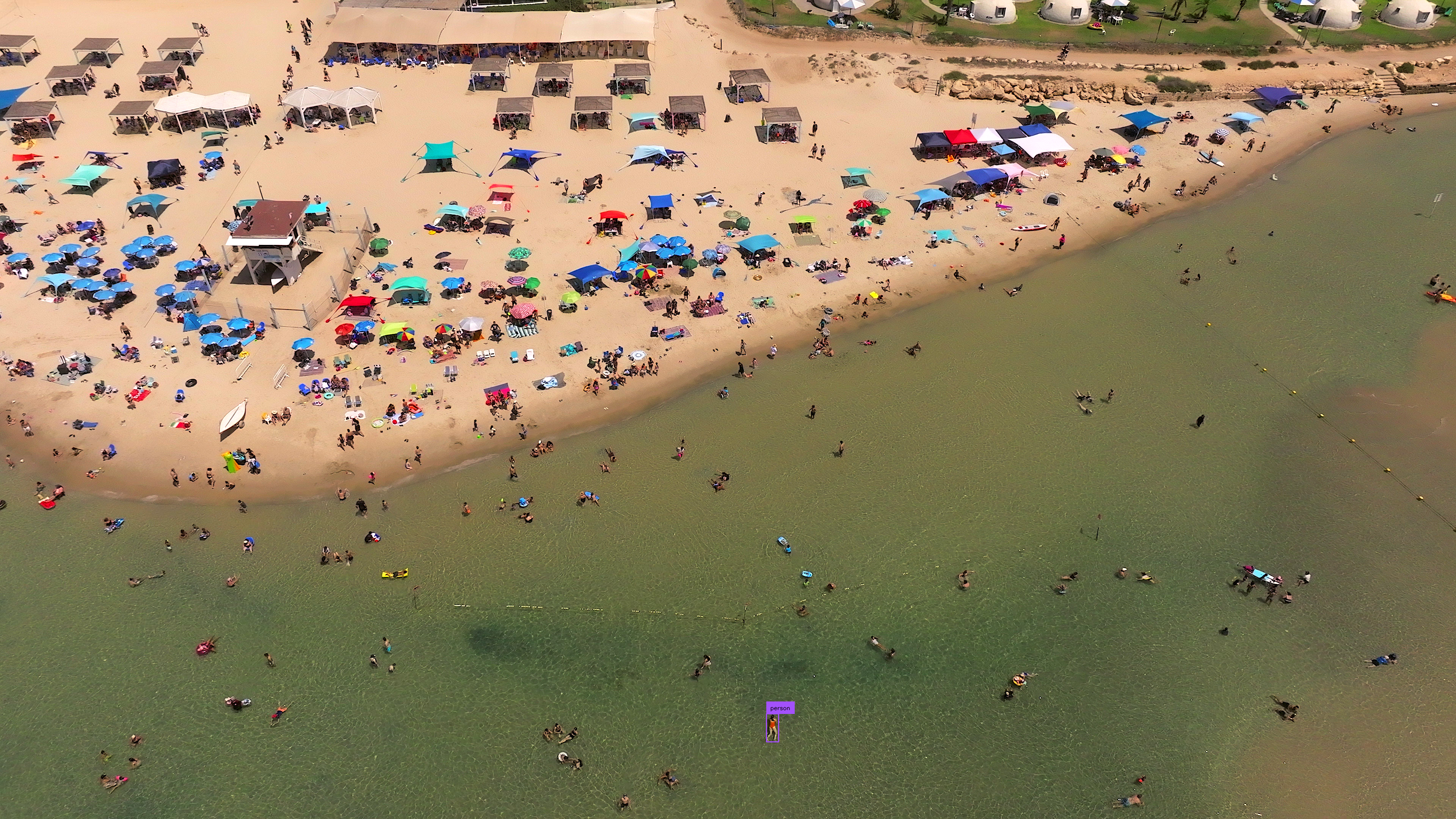
## Baseline Detection
|
|
|
|
Small object detection in high-resolution images presents challenges due to the objects'
|
|
size relative to the image resolution.
|
|
|
|
=== "Inference"
|
|
```python
|
|
import cv2
|
|
import supervision as sv
|
|
from inference import get_model
|
|
|
|
model = get_model(model_id="yolov8x-640")
|
|
image = cv2.imread(<SOURCE_IMAGE_PATH>)
|
|
results = model.infer(image)[0]
|
|
detections = sv.Detections.from_inference(results)
|
|
|
|
box_annotator = sv.BoxAnnotator()
|
|
label_annotator = sv.LabelAnnotator()
|
|
|
|
annotated_image = box_annotator.annotate(
|
|
scene=image, detections=detections)
|
|
annotated_image = label_annotator.annotate(
|
|
scene=annotated_image, detections=detections)
|
|
```
|
|
|
|
=== "Ultralytics"
|
|
```python
|
|
import cv2
|
|
import supervision as sv
|
|
from ultralytics import YOLO
|
|
|
|
model = YOLO("yolov8x.pt")
|
|
image = cv2.imread(<SOURCE_IMAGE_PATH>)
|
|
results = model(image)[0]
|
|
detections = sv.Detections.from_ultralytics(results)
|
|
|
|
box_annotator = sv.BoxAnnotator()
|
|
label_annotator = sv.LabelAnnotator()
|
|
|
|
annotated_image = box_annotator.annotate(
|
|
scene=image, detections=detections)
|
|
annotated_image = label_annotator.annotate(
|
|
scene=annotated_image, detections=detections)
|
|
```
|
|
|
|
=== "Transformers"
|
|
```python
|
|
import torch
|
|
import supervision as sv
|
|
from PIL import Image
|
|
from transformers import DetrImageProcessor, DetrForSegmentation
|
|
|
|
processor = DetrImageProcessor.from_pretrained("facebook/detr-resnet-50")
|
|
model = DetrForSegmentation.from_pretrained("facebook/detr-resnet-50")
|
|
|
|
image = Image.open(<SOURCE_IMAGE_PATH>)
|
|
inputs = processor(images=image, return_tensors="pt")
|
|
|
|
with torch.no_grad():
|
|
outputs = model(**inputs)
|
|
|
|
width, height = image_slice.size
|
|
target_size = torch.tensor([[width, height]])
|
|
results = processor.post_process_object_detection(
|
|
outputs=outputs, target_sizes=target_size)[0]
|
|
detections = sv.Detections.from_transformers(results)
|
|
|
|
box_annotator = sv.BoxAnnotator()
|
|
label_annotator = sv.LabelAnnotator()
|
|
|
|
labels = [
|
|
model.config.id2label[class_id]
|
|
for class_id
|
|
in detections.class_id
|
|
]
|
|
|
|
annotated_image = box_annotator.annotate(
|
|
scene=image, detections=detections)
|
|
annotated_image = label_annotator.annotate(
|
|
scene=annotated_image, detections=detections, labels=labels)
|
|
```
|
|
|
|
|
|
|
|
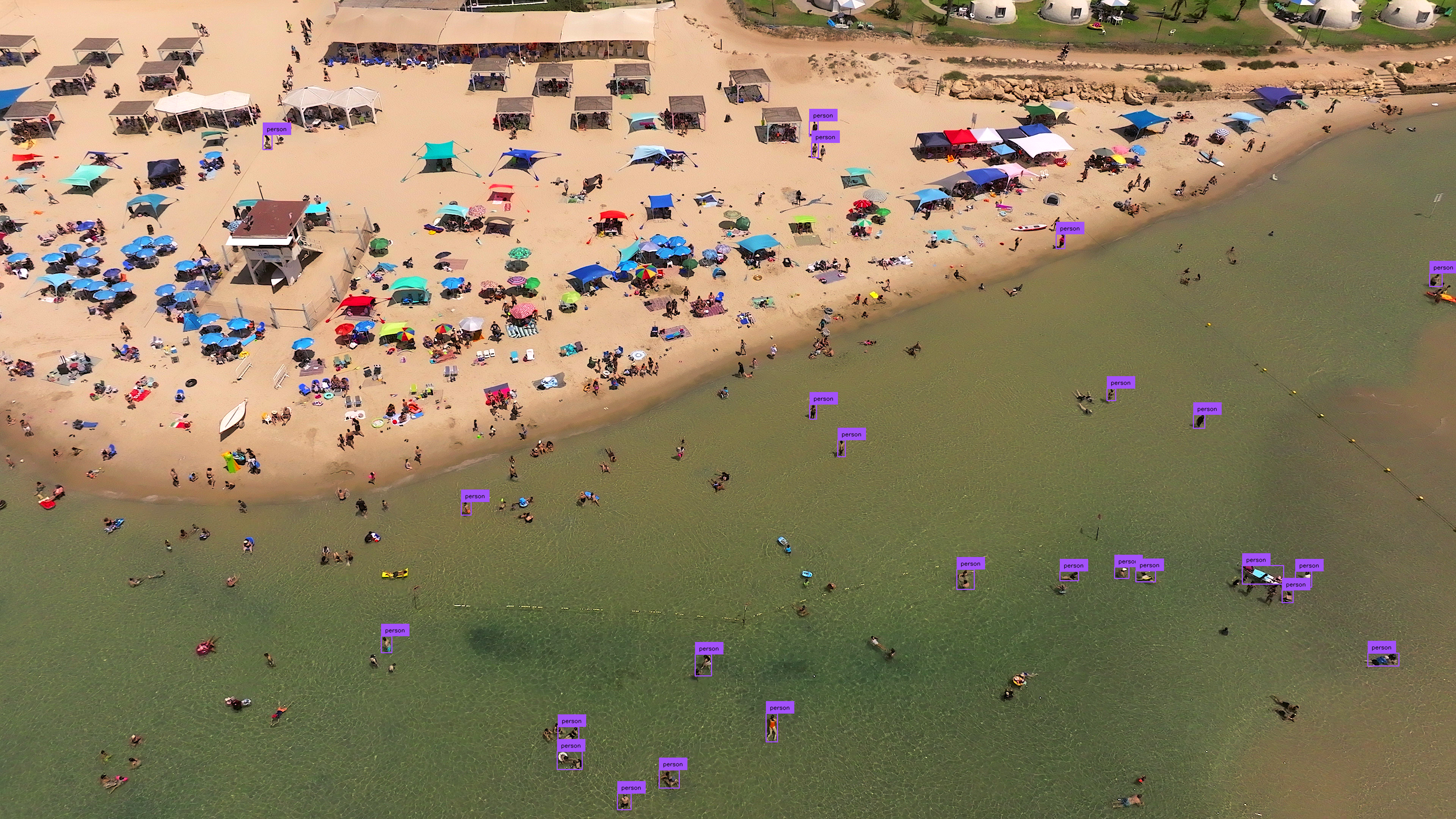
## Input Resolution
|
|
|
|
Modifying the input resolution of images before detection can enhance small object
|
|
identification at the cost of processing speed and increased memory usage. This method
|
|
is less effective for ultra-high-resolution images (4K and above).
|
|
|
|
=== "Inference"
|
|
```{ .py hl_lines="5" }
|
|
import cv2
|
|
import supervision as sv
|
|
from inference import get_model
|
|
|
|
model = get_model(model_id="yolov8x-1280")
|
|
image = cv2.imread(<SOURCE_IMAGE_PATH>)
|
|
results = model.infer(image)[0]
|
|
detections = sv.Detections.from_inference(results)
|
|
|
|
box_annotator = sv.BoxAnnotator()
|
|
label_annotator = sv.LabelAnnotator()
|
|
|
|
annotated_image = box_annotator.annotate(
|
|
scene=image, detections=detections)
|
|
annotated_image = label_annotator.annotate(
|
|
scene=annotated_image, detections=detections)
|
|
```
|
|
|
|
=== "Ultralytics"
|
|
```{ .py hl_lines="7" }
|
|
import cv2
|
|
import supervision as sv
|
|
from ultralytics import YOLO
|
|
|
|
model = YOLO("yolov8x.pt")
|
|
image = cv2.imread(<SOURCE_IMAGE_PATH>)
|
|
results = model(image, imgsz=1280)[0]
|
|
detections = sv.Detections.from_ultralytics(results)
|
|
|
|
box_annotator = sv.BoxAnnotator()
|
|
label_annotator = sv.LabelAnnotator()
|
|
|
|
annotated_image = box_annotator.annotate(
|
|
scene=image, detections=detections)
|
|
annotated_image = label_annotator.annotate(
|
|
scene=annotated_image, detections=detections)
|
|
```
|
|
|
|
|
|
|
|
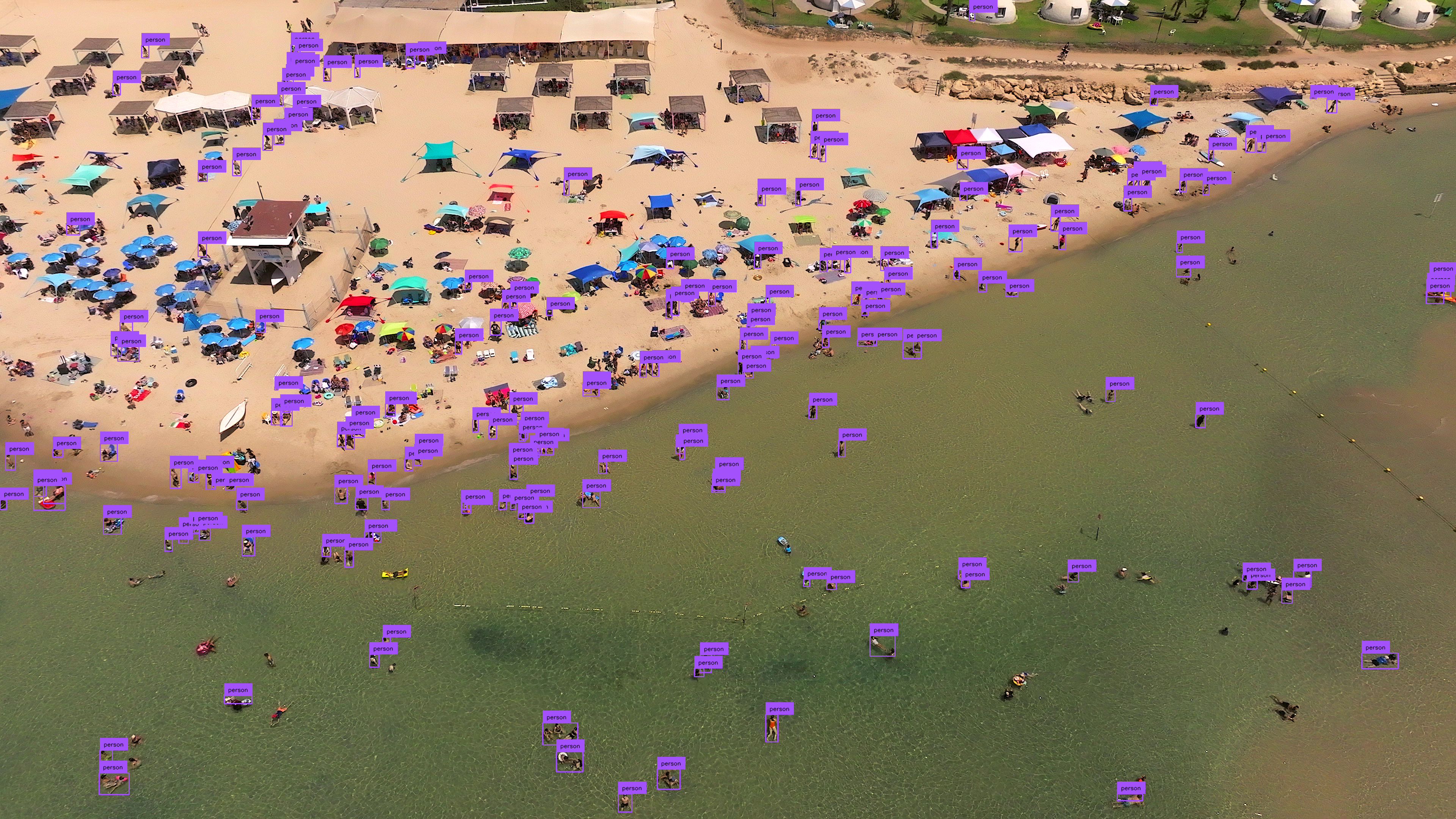
## Inference Slicer
|
|
|
|
[`InferenceSlicer`](/latest/detection/tools/inference_slicer/#supervision.detection.tools.inference_slicer.InferenceSlicer)
|
|
processes high-resolution images by dividing them into smaller segments, detecting
|
|
objects within each, and aggregating the results.
|
|
|
|
<video controls>
|
|
<source src="https://media.roboflow.com/supervision_detect_small_objects_example_2.mp4" type="video/mp4">
|
|
</video>
|
|
|
|
=== "Inference"
|
|
```{ .py hl_lines="9-14" }
|
|
import cv2
|
|
import numpy as np
|
|
import supervision as sv
|
|
from inference import get_model
|
|
|
|
model = get_model(model_id="yolov8x-640")
|
|
image = cv2.imread(<SOURCE_IMAGE_PATH>)
|
|
|
|
def callback(image_slice: np.ndarray) -> sv.Detections:
|
|
results = model.infer(image_slice)[0]
|
|
return sv.Detections.from_inference(results)
|
|
|
|
slicer = sv.InferenceSlicer(callback = callback)
|
|
detections = slicer(image)
|
|
|
|
box_annotator = sv.BoxAnnotator()
|
|
label_annotator = sv.LabelAnnotator()
|
|
|
|
annotated_image = box_annotator.annotate(
|
|
scene=image, detections=detections)
|
|
annotated_image = label_annotator.annotate(
|
|
scene=annotated_image, detections=detections)
|
|
```
|
|
|
|
=== "Ultralytics"
|
|
```{ .py hl_lines="9-14" }
|
|
import cv2
|
|
import numpy as np
|
|
import supervision as sv
|
|
from ultralytics import YOLO
|
|
|
|
model = YOLO("yolov8x.pt")
|
|
image = cv2.imread(<SOURCE_IMAGE_PATH>)
|
|
|
|
def callback(image_slice: np.ndarray) -> sv.Detections:
|
|
result = model(image_slice)[0]
|
|
return sv.Detections.from_ultralytics(result)
|
|
|
|
slicer = sv.InferenceSlicer(callback = callback)
|
|
detections = slicer(image)
|
|
|
|
box_annotator = sv.BoxAnnotator()
|
|
label_annotator = sv.LabelAnnotator()
|
|
|
|
annotated_image = box_annotator.annotate(
|
|
scene=image, detections=detections)
|
|
annotated_image = label_annotator.annotate(
|
|
scene=annotated_image, detections=detections)
|
|
```
|
|
|
|
=== "Transformers"
|
|
```{ .py hl_lines="13-28" }
|
|
import cv2
|
|
import torch
|
|
import numpy as np
|
|
import supervision as sv
|
|
from PIL import Image
|
|
from transformers import DetrImageProcessor, DetrForObjectDetection
|
|
|
|
processor = DetrImageProcessor.from_pretrained("facebook/detr-resnet-50")
|
|
model = DetrForObjectDetection.from_pretrained("facebook/detr-resnet-50")
|
|
|
|
image = cv2.imread(<SOURCE_IMAGE_PATH>)
|
|
|
|
def callback(image_slice: np.ndarray) -> sv.Detections:
|
|
image_slice = cv2.cvtColor(image_slice, cv2.COLOR_BGR2RGB)
|
|
image_slice = Image.fromarray(image_slice)
|
|
inputs = processor(images=image_slice, return_tensors="pt")
|
|
|
|
with torch.no_grad():
|
|
outputs = model(**inputs)
|
|
|
|
width, height = image_slice.size
|
|
target_size = torch.tensor([[width, height]])
|
|
results = processor.post_process_object_detection(
|
|
outputs=outputs, target_sizes=target_size)[0]
|
|
return sv.Detections.from_transformers(results)
|
|
|
|
slicer = sv.InferenceSlicer(callback = callback)
|
|
detections = slicer(image)
|
|
|
|
box_annotator = sv.BoxAnnotator()
|
|
label_annotator = sv.LabelAnnotator()
|
|
|
|
labels = [
|
|
model.config.id2label[class_id]
|
|
for class_id
|
|
in detections.class_id
|
|
]
|
|
|
|
annotated_image = box_annotator.annotate(
|
|
scene=image, detections=detections)
|
|
annotated_image = label_annotator.annotate(
|
|
scene=annotated_image, detections=detections, labels=labels)
|
|
```
|
|
|
|
|
|
|
|
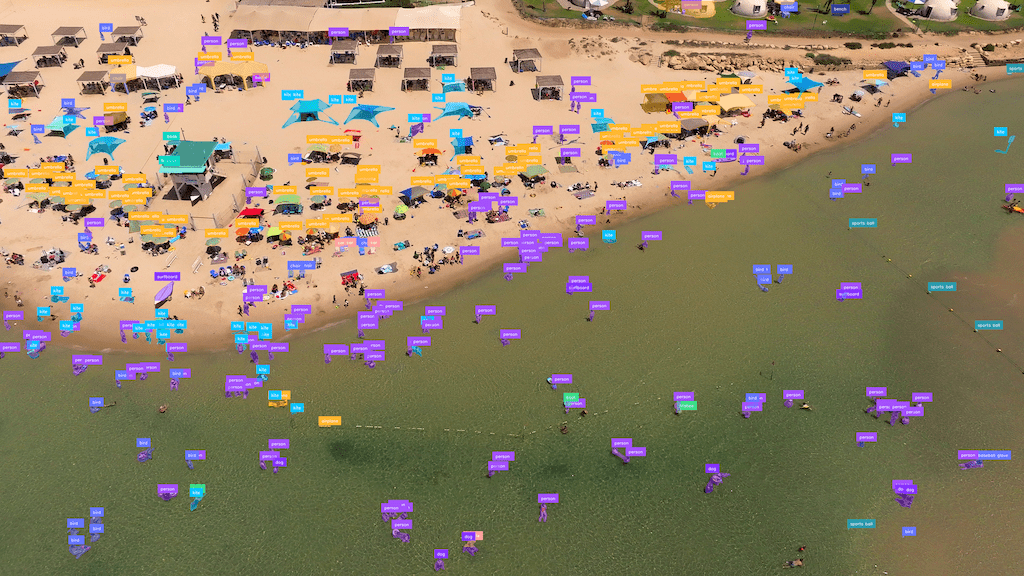
## Small Object Segmentation
|
|
|
|
[`InferenceSlicer`](/latest/detection/tools/inference_slicer/#supervision.detection.tools.inference_slicer.InferenceSlicer) can perform segmentation tasks too.
|
|
|
|
=== "Inference"
|
|
```{ .py hl_lines="6 16 19-20" }
|
|
import cv2
|
|
import numpy as np
|
|
import supervision as sv
|
|
from inference import get_model
|
|
|
|
model = get_model(model_id="yolov8x-seg-640")
|
|
image = cv2.imread(<SOURCE_IMAGE_PATH>)
|
|
|
|
def callback(image_slice: np.ndarray) -> sv.Detections:
|
|
results = model.infer(image_slice)[0]
|
|
return sv.Detections.from_inference(results)
|
|
|
|
slicer = sv.InferenceSlicer(callback = callback)
|
|
detections = slicer(image)
|
|
|
|
mask_annotator = sv.MaskAnnotator()
|
|
label_annotator = sv.LabelAnnotator()
|
|
|
|
annotated_image = mask_annotator.annotate(
|
|
scene=image, detections=detections)
|
|
annotated_image = label_annotator.annotate(
|
|
scene=annotated_image, detections=detections)
|
|
```
|
|
|
|
=== "Ultralytics"
|
|
```{ .py hl_lines="6 16 19-20" }
|
|
import cv2
|
|
import numpy as np
|
|
import supervision as sv
|
|
from ultralytics import YOLO
|
|
|
|
model = YOLO("yolov8x-seg.pt")
|
|
image = cv2.imread(<SOURCE_IMAGE_PATH>)
|
|
|
|
def callback(image_slice: np.ndarray) -> sv.Detections:
|
|
result = model(image_slice)[0]
|
|
return sv.Detections.from_ultralytics(result)
|
|
|
|
slicer = sv.InferenceSlicer(callback = callback)
|
|
detections = slicer(image)
|
|
|
|
mask_annotator = sv.MaskAnnotator()
|
|
label_annotator = sv.LabelAnnotator()
|
|
|
|
annotated_image = mask_annotator.annotate(
|
|
scene=image, detections=detections)
|
|
annotated_image = label_annotator.annotate(
|
|
scene=annotated_image, detections=detections)
|
|
```
|
|
|
|
|