Merge pull request #1163 from emSko/1114_RLE_support_for_COCO
1114 rle support for coco
This commit is contained in:
 Piotr Skalski
@@ -1,5 +1,6 @@
|
||||
---
|
||||
comments: true
|
||||
status: new
|
||||
---
|
||||
|
||||
# Datasets
|
||||
@@ -0,0 +1,18 @@
|
||||
---
|
||||
comments: true
|
||||
status: new
|
||||
---
|
||||
|
||||
# Datasets Utils
|
||||
|
||||
<div class="md-typeset">
|
||||
<h2><a href="#supervision.dataset.utils.rle_to_mask">rle_to_mask</a></h2>
|
||||
</div>
|
||||
|
||||
:::supervision.dataset.utils.rle_to_mask
|
||||
|
||||
<div class="md-typeset">
|
||||
<h2><a href="#supervision.dataset.utils.mask_to_rle">mask_to_rle</a></h2>
|
||||
</div>
|
||||
|
||||
:::supervision.dataset.utils.mask_to_rle
|
||||
@@ -88,3 +88,15 @@ status: new
|
||||
</div>
|
||||
|
||||
:::supervision.detection.utils.pad_boxes
|
||||
|
||||
<div class="md-typeset">
|
||||
<h2><a href="#supervision.detection.utils.contains_holes">contains_holes</a></h2>
|
||||
</div>
|
||||
|
||||
:::supervision.detection.utils.contains_holes
|
||||
|
||||
<div class="md-typeset">
|
||||
<h2><a href="#supervision.detection.utils.contains_multiple_segments">contains_multiple_segments</a></h2>
|
||||
</div>
|
||||
|
||||
:::supervision.detection.utils.contains_multiple_segments
|
||||
|
||||
+3
-1
@@ -61,7 +61,9 @@ nav:
|
||||
- Detection Smoother: detection/tools/smoother.md
|
||||
- Save Detections: detection/tools/save_detections.md
|
||||
- Trackers: trackers.md
|
||||
- Datasets: datasets.md
|
||||
- Datasets:
|
||||
- Core: datasets/core.md
|
||||
- Utils: datasets/utils.md
|
||||
- Utils:
|
||||
- Video: utils/video.md
|
||||
- Image: utils/image.md
|
||||
|
||||
@@ -35,6 +35,7 @@ from supervision.dataset.core import (
|
||||
ClassificationDataset,
|
||||
DetectionDataset,
|
||||
)
|
||||
from supervision.dataset.utils import mask_to_rle, rle_to_mask
|
||||
from supervision.detection.annotate import BoxAnnotator
|
||||
from supervision.detection.core import Detections
|
||||
from supervision.detection.line_zone import LineZone, LineZoneAnnotator
|
||||
@@ -48,6 +49,8 @@ from supervision.detection.utils import (
|
||||
box_non_max_suppression,
|
||||
calculate_masks_centroids,
|
||||
clip_boxes,
|
||||
contains_holes,
|
||||
contains_multiple_segments,
|
||||
filter_polygons_by_area,
|
||||
mask_iou_batch,
|
||||
mask_non_max_suppression,
|
||||
|
||||
+23
-11
@@ -116,13 +116,12 @@ class DetectionDataset(BaseDataset):
|
||||
Tuple[DetectionDataset, DetectionDataset]: A tuple containing
|
||||
the training and testing datasets.
|
||||
|
||||
Example:
|
||||
Examples:
|
||||
```python
|
||||
import supervision as sv
|
||||
|
||||
ds = sv.DetectionDataset(...)
|
||||
train_ds, test_ds = ds.split(split_ratio=0.7,
|
||||
random_state=42, shuffle=True)
|
||||
train_ds, test_ds = ds.split(split_ratio=0.7, random_state=42, shuffle=True)
|
||||
len(train_ds), len(test_ds)
|
||||
# (700, 300)
|
||||
```
|
||||
@@ -229,7 +228,7 @@ class DetectionDataset(BaseDataset):
|
||||
DetectionDataset: A DetectionDataset instance containing
|
||||
the loaded images and annotations.
|
||||
|
||||
Example:
|
||||
Examples:
|
||||
```python
|
||||
import roboflow
|
||||
from roboflow import Roboflow
|
||||
@@ -286,7 +285,7 @@ class DetectionDataset(BaseDataset):
|
||||
DetectionDataset: A DetectionDataset instance
|
||||
containing the loaded images and annotations.
|
||||
|
||||
Example:
|
||||
Examples:
|
||||
```python
|
||||
import roboflow
|
||||
from roboflow import Roboflow
|
||||
@@ -391,7 +390,7 @@ class DetectionDataset(BaseDataset):
|
||||
DetectionDataset: A DetectionDataset instance containing
|
||||
the loaded images and annotations.
|
||||
|
||||
Example:
|
||||
Examples:
|
||||
```python
|
||||
import roboflow
|
||||
from roboflow import Roboflow
|
||||
@@ -431,6 +430,20 @@ class DetectionDataset(BaseDataset):
|
||||
Exports the dataset to COCO format. This method saves the
|
||||
images and their corresponding annotations in COCO format.
|
||||
|
||||
!!! tip
|
||||
|
||||
The format of the mask is determined automatically based on its structure:
|
||||
|
||||
- If a mask contains multiple disconnected components or holes, it will be
|
||||
saved using the Run-Length Encoding (RLE) format for efficient storage and
|
||||
processing.
|
||||
- If a mask consists of a single, contiguous region without any holes, it
|
||||
will be encoded as a polygon, preserving the outline of the object.
|
||||
|
||||
This automatic selection ensures that the masks are stored in the most
|
||||
appropriate and space-efficient format, complying with COCO dataset
|
||||
standards.
|
||||
|
||||
Args:
|
||||
images_directory_path (Optional[str]): The path to the directory
|
||||
where the images should be saved.
|
||||
@@ -482,7 +495,7 @@ class DetectionDataset(BaseDataset):
|
||||
(DetectionDataset): A single `DetectionDataset` object containing
|
||||
the merged data from the input list.
|
||||
|
||||
Example:
|
||||
Examples:
|
||||
```python
|
||||
import supervision as sv
|
||||
|
||||
@@ -567,13 +580,12 @@ class ClassificationDataset(BaseDataset):
|
||||
Tuple[ClassificationDataset, ClassificationDataset]: A tuple containing
|
||||
the training and testing datasets.
|
||||
|
||||
Example:
|
||||
Examples:
|
||||
```python
|
||||
import supervision as sv
|
||||
|
||||
cd = sv.ClassificationDataset(...)
|
||||
train_cd,test_cd = cd.split(split_ratio=0.7,
|
||||
random_state=42,shuffle=True)
|
||||
train_cd,test_cd = cd.split(split_ratio=0.7, random_state=42,shuffle=True)
|
||||
len(train_cd), len(test_cd)
|
||||
# (700, 300)
|
||||
```
|
||||
@@ -635,7 +647,7 @@ class ClassificationDataset(BaseDataset):
|
||||
Returns:
|
||||
ClassificationDataset: The dataset.
|
||||
|
||||
Example:
|
||||
Examples:
|
||||
```python
|
||||
import roboflow
|
||||
from roboflow import Roboflow
|
||||
|
||||
@@ -5,13 +5,20 @@ from typing import Dict, List, Tuple
|
||||
|
||||
import cv2
|
||||
import numpy as np
|
||||
import numpy.typing as npt
|
||||
|
||||
from supervision.dataset.utils import (
|
||||
approximate_mask_with_polygons,
|
||||
map_detections_class_id,
|
||||
mask_to_rle,
|
||||
rle_to_mask,
|
||||
)
|
||||
from supervision.detection.core import Detections
|
||||
from supervision.detection.utils import polygon_to_mask
|
||||
from supervision.detection.utils import (
|
||||
contains_holes,
|
||||
contains_multiple_segments,
|
||||
polygon_to_mask,
|
||||
)
|
||||
from supervision.utils.file import read_json_file, save_json_file
|
||||
|
||||
|
||||
@@ -57,13 +64,24 @@ def group_coco_annotations_by_image_id(
|
||||
return annotations
|
||||
|
||||
|
||||
def _polygons_to_masks(
|
||||
polygons: List[np.ndarray], resolution_wh: Tuple[int, int]
|
||||
) -> np.ndarray:
|
||||
def coco_annotations_to_masks(
|
||||
image_annotations: List[dict], resolution_wh: Tuple[int, int]
|
||||
) -> npt.NDArray[np.bool_]:
|
||||
return np.array(
|
||||
[
|
||||
polygon_to_mask(polygon=polygon, resolution_wh=resolution_wh)
|
||||
for polygon in polygons
|
||||
rle_to_mask(
|
||||
rle=np.array(image_annotation["segmentation"]["counts"]),
|
||||
resolution_wh=resolution_wh,
|
||||
)
|
||||
if image_annotation["iscrowd"]
|
||||
else polygon_to_mask(
|
||||
polygon=np.reshape(
|
||||
np.asarray(image_annotation["segmentation"], dtype=np.int32),
|
||||
(-1, 2),
|
||||
),
|
||||
resolution_wh=resolution_wh,
|
||||
)
|
||||
for image_annotation in image_annotations
|
||||
],
|
||||
dtype=bool,
|
||||
)
|
||||
@@ -83,13 +101,9 @@ def coco_annotations_to_detections(
|
||||
xyxy[:, 2:4] += xyxy[:, 0:2]
|
||||
|
||||
if with_masks:
|
||||
polygons = [
|
||||
np.reshape(
|
||||
np.asarray(image_annotation["segmentation"], dtype=np.int32), (-1, 2)
|
||||
)
|
||||
for image_annotation in image_annotations
|
||||
]
|
||||
mask = _polygons_to_masks(polygons=polygons, resolution_wh=resolution_wh)
|
||||
mask = coco_annotations_to_masks(
|
||||
image_annotations=image_annotations, resolution_wh=resolution_wh
|
||||
)
|
||||
return Detections(
|
||||
class_id=np.asarray(class_ids, dtype=int), xyxy=xyxy, mask=mask
|
||||
)
|
||||
@@ -108,24 +122,35 @@ def detections_to_coco_annotations(
|
||||
coco_annotations = []
|
||||
for xyxy, mask, _, class_id, _, _ in detections:
|
||||
box_width, box_height = xyxy[2] - xyxy[0], xyxy[3] - xyxy[1]
|
||||
polygon = []
|
||||
segmentation = []
|
||||
iscrowd = 0
|
||||
if mask is not None:
|
||||
polygon = list(
|
||||
approximate_mask_with_polygons(
|
||||
mask=mask,
|
||||
min_image_area_percentage=min_image_area_percentage,
|
||||
max_image_area_percentage=max_image_area_percentage,
|
||||
approximation_percentage=approximation_percentage,
|
||||
)[0].flatten()
|
||||
)
|
||||
iscrowd = contains_holes(mask=mask) or contains_multiple_segments(mask=mask)
|
||||
|
||||
if iscrowd:
|
||||
segmentation = {
|
||||
"counts": mask_to_rle(mask=mask),
|
||||
"size": list(mask.shape[:2]),
|
||||
}
|
||||
else:
|
||||
segmentation = [
|
||||
list(
|
||||
approximate_mask_with_polygons(
|
||||
mask=mask,
|
||||
min_image_area_percentage=min_image_area_percentage,
|
||||
max_image_area_percentage=max_image_area_percentage,
|
||||
approximation_percentage=approximation_percentage,
|
||||
)[0].flatten()
|
||||
)
|
||||
]
|
||||
coco_annotation = {
|
||||
"id": annotation_id,
|
||||
"image_id": image_id,
|
||||
"category_id": int(class_id),
|
||||
"bbox": [xyxy[0], xyxy[1], box_width, box_height],
|
||||
"area": box_width * box_height,
|
||||
"segmentation": [polygon] if polygon else [],
|
||||
"iscrowd": 0,
|
||||
"segmentation": segmentation,
|
||||
"iscrowd": iscrowd,
|
||||
}
|
||||
coco_annotations.append(coco_annotation)
|
||||
annotation_id += 1
|
||||
|
||||
@@ -2,10 +2,11 @@ import copy
|
||||
import os
|
||||
import random
|
||||
from pathlib import Path
|
||||
from typing import Dict, List, Optional, Tuple, TypeVar
|
||||
from typing import Dict, List, Optional, Tuple, TypeVar, Union
|
||||
|
||||
import cv2
|
||||
import numpy as np
|
||||
import numpy.typing as npt
|
||||
|
||||
from supervision.detection.core import Detections
|
||||
from supervision.detection.utils import (
|
||||
@@ -129,3 +130,123 @@ def train_test_split(
|
||||
|
||||
split_index = int(len(data) * train_ratio)
|
||||
return data[:split_index], data[split_index:]
|
||||
|
||||
|
||||
def rle_to_mask(
|
||||
rle: Union[npt.NDArray[np.int_], List[int]], resolution_wh: Tuple[int, int]
|
||||
) -> npt.NDArray[np.bool_]:
|
||||
"""
|
||||
Converts run-length encoding (RLE) to a binary mask.
|
||||
|
||||
Args:
|
||||
rle (Union[npt.NDArray[np.int_], List[int]]): The 1D RLE array, the format
|
||||
used in the COCO dataset (column-wise encoding, values of an array with
|
||||
even indices represent the number of pixels assigned as background,
|
||||
values of an array with odd indices represent the number of pixels
|
||||
assigned as foreground object).
|
||||
resolution_wh (Tuple[int, int]): The width (w) and height (h)
|
||||
of the desired binary mask.
|
||||
|
||||
Returns:
|
||||
The generated 2D Boolean mask of shape `(h, w)`, where the foreground object is
|
||||
marked with `True`'s and the rest is filled with `False`'s.
|
||||
|
||||
Raises:
|
||||
AssertionError: If the sum of pixels encoded in RLE differs from the
|
||||
number of pixels in the expected mask (computed based on resolution_wh).
|
||||
|
||||
Examples:
|
||||
```python
|
||||
import supervision as sv
|
||||
|
||||
sv.rle_to_mask([5, 2, 2, 2, 5], (4, 4))
|
||||
# array([
|
||||
# [False, False, False, False],
|
||||
# [False, True, True, False],
|
||||
# [False, True, True, False],
|
||||
# [False, False, False, False],
|
||||
# ])
|
||||
```
|
||||
"""
|
||||
if isinstance(rle, list):
|
||||
rle = np.array(rle, dtype=int)
|
||||
|
||||
width, height = resolution_wh
|
||||
|
||||
assert width * height == np.sum(rle), (
|
||||
"the sum of the number of pixels in the RLE must be the same "
|
||||
"as the number of pixels in the expected mask"
|
||||
)
|
||||
|
||||
zero_one_values = np.zeros(shape=(rle.size, 1), dtype=np.uint8)
|
||||
zero_one_values[1::2] = 1
|
||||
|
||||
decoded_rle = np.repeat(zero_one_values, rle, axis=0)
|
||||
decoded_rle = np.append(
|
||||
decoded_rle, np.zeros(width * height - len(decoded_rle), dtype=np.uint8)
|
||||
)
|
||||
return decoded_rle.reshape((height, width), order="F")
|
||||
|
||||
|
||||
def mask_to_rle(mask: npt.NDArray[np.bool_]) -> List[int]:
|
||||
"""
|
||||
Converts a binary mask into a run-length encoding (RLE).
|
||||
|
||||
Args:
|
||||
mask (npt.NDArray[np.bool_]): 2D binary mask where `True` indicates foreground
|
||||
object and `False` indicates background.
|
||||
|
||||
Returns:
|
||||
The run-length encoded mask. Values of a list with even indices
|
||||
represent the number of pixels assigned as background (`False`), values
|
||||
of a list with odd indices represent the number of pixels assigned
|
||||
as foreground object (`True`).
|
||||
|
||||
Raises:
|
||||
AssertionError: If input mask is not 2D or is empty.
|
||||
|
||||
Examples:
|
||||
```python
|
||||
import numpy as np
|
||||
import supervision as sv
|
||||
|
||||
mask = np.array([
|
||||
[True, True, True, True],
|
||||
[True, True, True, True],
|
||||
[True, True, True, True],
|
||||
[True, True, True, True],
|
||||
])
|
||||
sv.mask_to_rle(mask)
|
||||
# [0, 16]
|
||||
|
||||
mask = np.array([
|
||||
[False, False, False, False],
|
||||
[False, True, True, False],
|
||||
[False, True, True, False],
|
||||
[False, False, False, False],
|
||||
])
|
||||
sv.mask_to_rle(mask)
|
||||
# [5, 2, 2, 2, 5]
|
||||
```
|
||||
|
||||
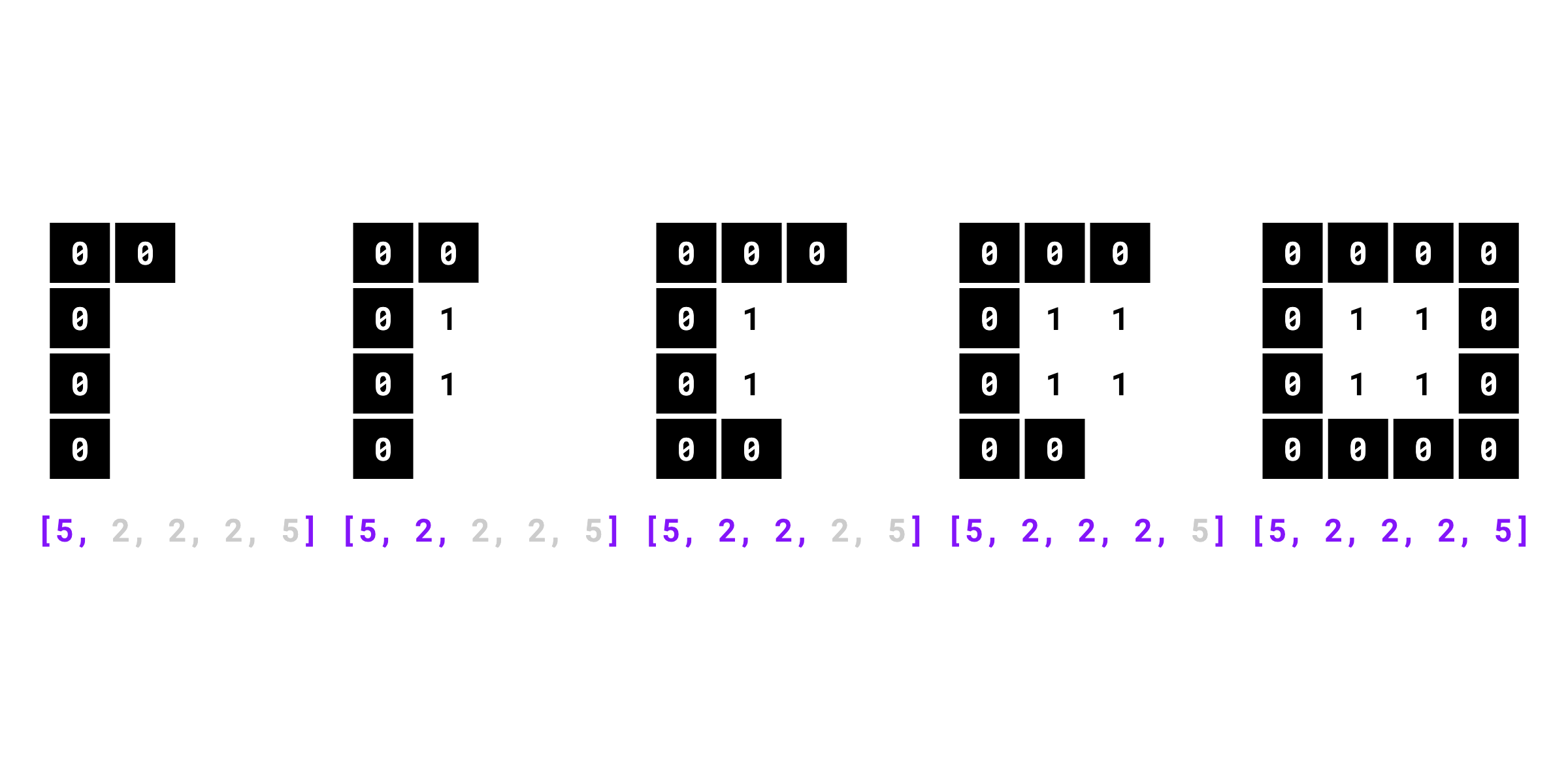{ align=center width="800" }
|
||||
""" # noqa E501 // docs
|
||||
assert mask.ndim == 2, "Input mask must be 2D"
|
||||
assert mask.size != 0, "Input mask cannot be empty"
|
||||
|
||||
on_value_change_indices = np.where(
|
||||
mask.ravel(order="F") != np.roll(mask.ravel(order="F"), 1)
|
||||
)[0]
|
||||
|
||||
on_value_change_indices = np.append(on_value_change_indices, mask.size)
|
||||
# need to add 0 at the beginning when the same value is in the first and
|
||||
# last element of the flattened mask
|
||||
if on_value_change_indices[0] != 0:
|
||||
on_value_change_indices = np.insert(on_value_change_indices, 0, 0)
|
||||
|
||||
rle = np.diff(on_value_change_indices)
|
||||
|
||||
if mask[0][0] == 1:
|
||||
rle = np.insert(rle, 0, 0)
|
||||
|
||||
return list(rle)
|
||||
|
||||
+136
-12
@@ -3,6 +3,7 @@ from typing import Dict, List, Optional, Tuple, Union
|
||||
|
||||
import cv2
|
||||
import numpy as np
|
||||
import numpy.typing as npt
|
||||
|
||||
from supervision.config import CLASS_NAME_DATA_FIELD
|
||||
|
||||
@@ -603,18 +604,21 @@ def move_boxes(xyxy: np.ndarray, offset: np.ndarray) -> np.ndarray:
|
||||
Returns:
|
||||
np.ndarray: Repositioned bounding boxes.
|
||||
|
||||
Example:
|
||||
Examples:
|
||||
```python
|
||||
import numpy as np
|
||||
import supervision as sv
|
||||
|
||||
boxes = np.array([[10, 10, 20, 20], [30, 30, 40, 40]])
|
||||
xyxy = np.array([
|
||||
[10, 10, 20, 20],
|
||||
[30, 30, 40, 40]
|
||||
])
|
||||
offset = np.array([5, 5])
|
||||
moved_box = sv.move_boxes(boxes, offset)
|
||||
print(moved_box)
|
||||
# np.array([
|
||||
|
||||
sv.move_boxes(xyxy=xyxy, offset=offset)
|
||||
# array([
|
||||
# [15, 15, 25, 25],
|
||||
# [35, 35, 45, 45]
|
||||
# [35, 35, 45, 45]
|
||||
# ])
|
||||
```
|
||||
"""
|
||||
@@ -669,16 +673,18 @@ def scale_boxes(xyxy: np.ndarray, factor: float) -> np.ndarray:
|
||||
Returns:
|
||||
np.ndarray: Scaled bounding boxes.
|
||||
|
||||
Example:
|
||||
Examples:
|
||||
```python
|
||||
import numpy as np
|
||||
import supervision as sv
|
||||
|
||||
boxes = np.array([[10, 10, 20, 20], [30, 30, 40, 40]])
|
||||
factor = 1.5
|
||||
scaled_bb = sv.scale_boxes(boxes, factor)
|
||||
print(scaled_bb)
|
||||
# np.array([
|
||||
xyxy = np.array([
|
||||
[10, 10, 20, 20],
|
||||
[30, 30, 40, 40]
|
||||
])
|
||||
|
||||
scaled_bb = sv.scale_boxes(xyxy=xyxy, factor=1.5)
|
||||
# array([
|
||||
# [ 7.5, 7.5, 22.5, 22.5],
|
||||
# [27.5, 27.5, 42.5, 42.5]
|
||||
# ])
|
||||
@@ -840,3 +846,121 @@ def get_data_item(
|
||||
raise TypeError(f"Unsupported data type for key '{key}': {type(value)}")
|
||||
|
||||
return subset_data
|
||||
|
||||
|
||||
def contains_holes(mask: npt.NDArray[np.bool_]) -> bool:
|
||||
"""
|
||||
Checks if the binary mask contains holes (background pixels fully enclosed by
|
||||
foreground pixels).
|
||||
|
||||
Args:
|
||||
mask (npt.NDArray[np.bool_]): 2D binary mask where `True` indicates foreground
|
||||
object and `False` indicates background.
|
||||
|
||||
Returns:
|
||||
True if holes are detected, False otherwise.
|
||||
|
||||
Examples:
|
||||
```python
|
||||
import numpy as np
|
||||
import supervision as sv
|
||||
|
||||
mask = np.array([
|
||||
[0, 0, 0, 0, 0],
|
||||
[0, 1, 1, 1, 0],
|
||||
[0, 1, 0, 1, 0],
|
||||
[0, 1, 1, 1, 0],
|
||||
[0, 0, 0, 0, 0]
|
||||
]).astype(bool)
|
||||
|
||||
sv.contains_holes(mask=mask)
|
||||
# True
|
||||
|
||||
mask = np.array([
|
||||
[0, 0, 0, 0, 0],
|
||||
[0, 1, 1, 1, 0],
|
||||
[0, 1, 1, 1, 0],
|
||||
[0, 1, 1, 1, 0],
|
||||
[0, 0, 0, 0, 0]
|
||||
]).astype(bool)
|
||||
|
||||
sv.contains_holes(mask=mask)
|
||||
# False
|
||||
```
|
||||
|
||||
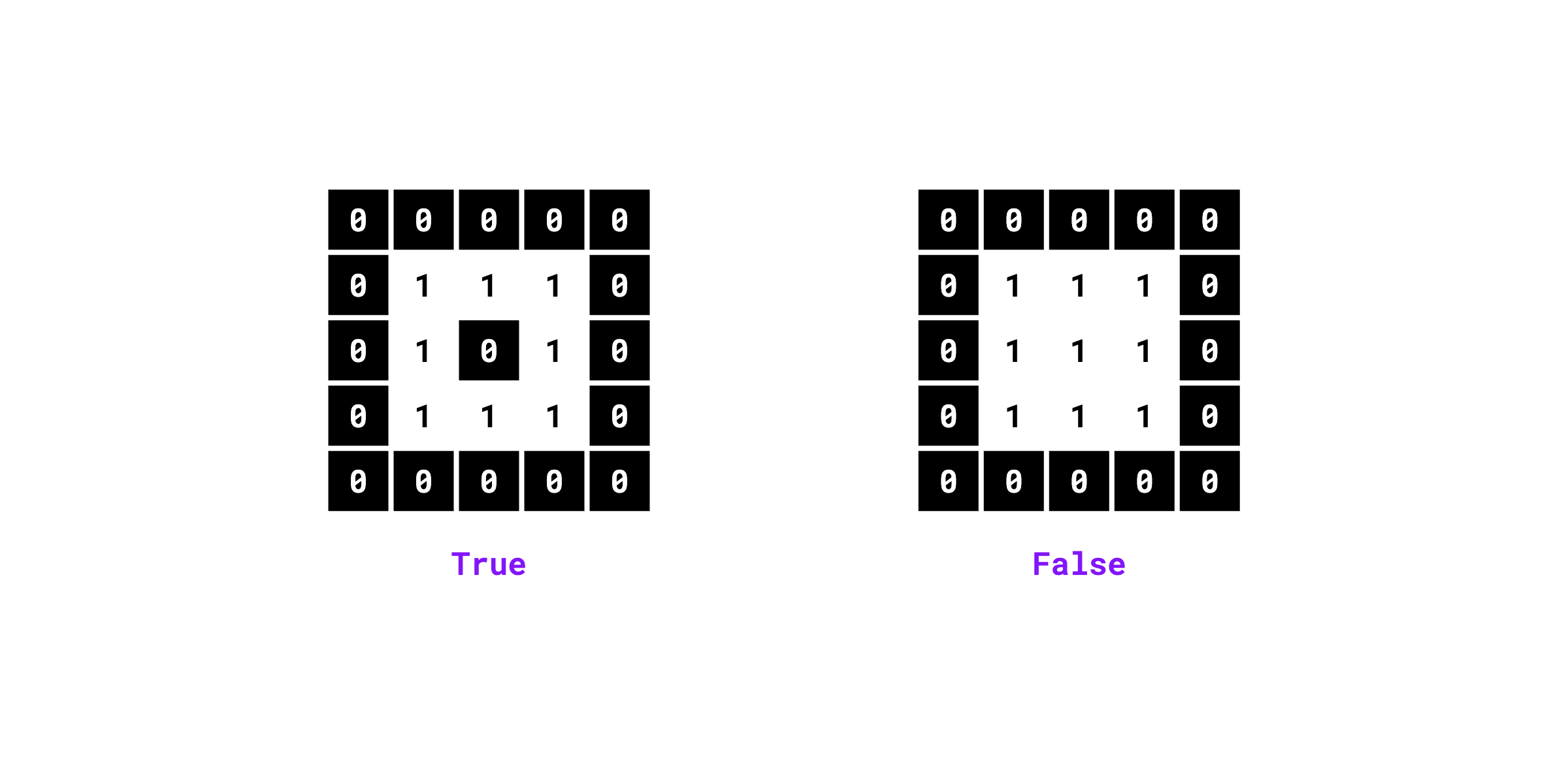{ align=center width="800" }
|
||||
""" # noqa E501 // docs
|
||||
mask_uint8 = mask.astype(np.uint8)
|
||||
_, hierarchy = cv2.findContours(mask_uint8, cv2.RETR_CCOMP, cv2.CHAIN_APPROX_SIMPLE)
|
||||
|
||||
if hierarchy is not None:
|
||||
parent_contour_index = 3
|
||||
for h in hierarchy[0]:
|
||||
if h[parent_contour_index] != -1:
|
||||
return True
|
||||
return False
|
||||
|
||||
|
||||
def contains_multiple_segments(
|
||||
mask: npt.NDArray[np.bool_], connectivity: int = 4
|
||||
) -> bool:
|
||||
"""
|
||||
Checks if the binary mask contains multiple unconnected foreground segments.
|
||||
|
||||
Args:
|
||||
mask (npt.NDArray[np.bool_]): 2D binary mask where `True` indicates foreground
|
||||
object and `False` indicates background.
|
||||
connectivity (int) : Default: 4 is 4-way connectivity, which means that
|
||||
foreground pixels are the part of the same segment/component
|
||||
if their edges touch.
|
||||
Alternatively: 8 for 8-way connectivity, when foreground pixels are
|
||||
connected by their edges or corners touch.
|
||||
|
||||
Returns:
|
||||
True when the mask contains multiple not connected components, False otherwise.
|
||||
|
||||
Raises:
|
||||
ValueError: If connectivity(int) parameter value is not 4 or 8.
|
||||
|
||||
Examples:
|
||||
```python
|
||||
import numpy as np
|
||||
import supervision as sv
|
||||
|
||||
mask = np.array([
|
||||
[0, 0, 0, 0, 0, 0],
|
||||
[0, 1, 1, 0, 1, 1],
|
||||
[0, 1, 1, 0, 1, 1],
|
||||
[0, 0, 0, 0, 0, 0],
|
||||
[0, 1, 1, 1, 0, 0],
|
||||
[0, 1, 1, 1, 0, 0]
|
||||
]).astype(bool)
|
||||
|
||||
sv.contains_multiple_segments(mask=mask, connectivity=4)
|
||||
# True
|
||||
|
||||
mask = np.array([
|
||||
[0, 0, 0, 0, 0, 0],
|
||||
[0, 1, 1, 1, 1, 1],
|
||||
[0, 1, 1, 1, 1, 1],
|
||||
[0, 1, 1, 1, 1, 1],
|
||||
[0, 1, 1, 1, 1, 1],
|
||||
[0, 0, 0, 0, 0, 0]
|
||||
]).astype(bool)
|
||||
|
||||
sv.contains_multiple_segments(mask=mask, connectivity=4)
|
||||
# False
|
||||
```
|
||||
|
||||
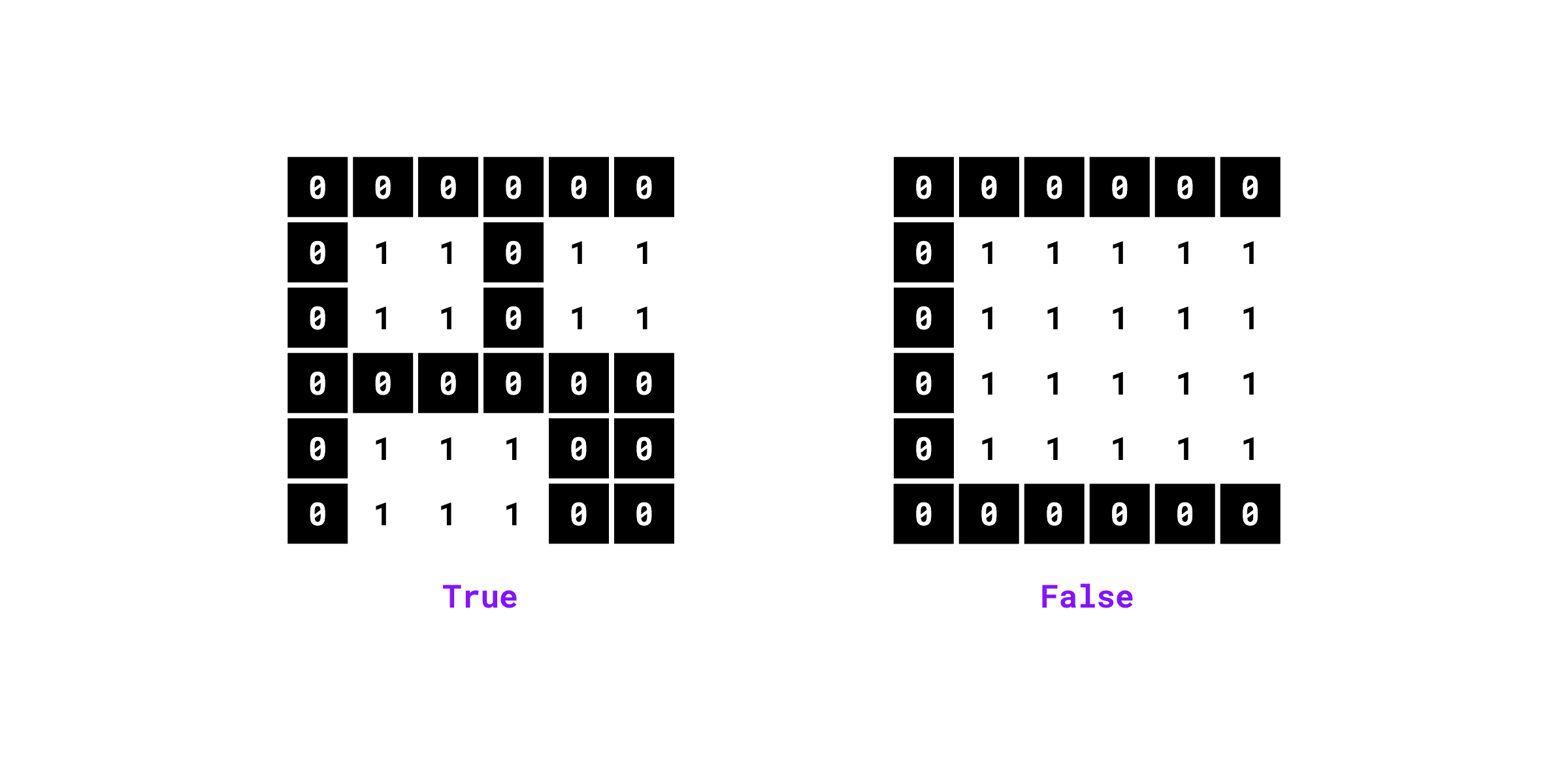{ align=center width="800" }
|
||||
""" # noqa E501 // docs
|
||||
if connectivity != 4 and connectivity != 8:
|
||||
raise ValueError(
|
||||
"Incorrect connectivity value. Possible connectivity values: 4 or 8."
|
||||
)
|
||||
mask_uint8 = mask.astype(np.uint8)
|
||||
labels = np.zeros_like(mask_uint8, dtype=np.int32)
|
||||
number_of_labels, _ = cv2.connectedComponents(
|
||||
mask_uint8, labels, connectivity=connectivity
|
||||
)
|
||||
return number_of_labels > 2
|
||||
|
||||
@@ -1,5 +1,5 @@
|
||||
from contextlib import ExitStack as DoesNotRaise
|
||||
from typing import Dict, List, Tuple
|
||||
from typing import Dict, List, Tuple, Union
|
||||
|
||||
import numpy as np
|
||||
import pytest
|
||||
@@ -10,24 +10,30 @@ from supervision.dataset.formats.coco import (
|
||||
classes_to_coco_categories,
|
||||
coco_annotations_to_detections,
|
||||
coco_categories_to_classes,
|
||||
detections_to_coco_annotations,
|
||||
group_coco_annotations_by_image_id,
|
||||
)
|
||||
|
||||
|
||||
def mock_cock_coco_annotation(
|
||||
def mock_coco_annotation(
|
||||
annotation_id: int = 0,
|
||||
image_id: int = 0,
|
||||
category_id: int = 0,
|
||||
bbox: Tuple[float, float, float, float] = (0.0, 0.0, 0.0, 0.0),
|
||||
area: float = 0.0,
|
||||
segmentation: Union[List[list], Dict] = None,
|
||||
iscrowd: bool = False,
|
||||
) -> dict:
|
||||
if not segmentation:
|
||||
segmentation = []
|
||||
return {
|
||||
"id": annotation_id,
|
||||
"image_id": image_id,
|
||||
"category_id": category_id,
|
||||
"bbox": list(bbox),
|
||||
"area": area,
|
||||
"iscrowd": 0,
|
||||
"segmentation": segmentation,
|
||||
"iscrowd": int(iscrowd),
|
||||
}
|
||||
|
||||
|
||||
@@ -101,74 +107,46 @@ def test_classes_to_coco_categories_and_back_to_classes(
|
||||
[
|
||||
([], {}, DoesNotRaise()), # empty coco annotations
|
||||
(
|
||||
[mock_cock_coco_annotation(annotation_id=0, image_id=0, category_id=0)],
|
||||
{
|
||||
0: [
|
||||
mock_cock_coco_annotation(
|
||||
annotation_id=0, image_id=0, category_id=0
|
||||
)
|
||||
]
|
||||
},
|
||||
[mock_coco_annotation(annotation_id=0, image_id=0, category_id=0)],
|
||||
{0: [mock_coco_annotation(annotation_id=0, image_id=0, category_id=0)]},
|
||||
DoesNotRaise(),
|
||||
), # single coco annotation
|
||||
(
|
||||
[
|
||||
mock_cock_coco_annotation(annotation_id=0, image_id=0, category_id=0),
|
||||
mock_cock_coco_annotation(annotation_id=1, image_id=1, category_id=0),
|
||||
mock_coco_annotation(annotation_id=0, image_id=0, category_id=0),
|
||||
mock_coco_annotation(annotation_id=1, image_id=1, category_id=0),
|
||||
],
|
||||
{
|
||||
0: [
|
||||
mock_cock_coco_annotation(
|
||||
annotation_id=0, image_id=0, category_id=0
|
||||
)
|
||||
],
|
||||
1: [
|
||||
mock_cock_coco_annotation(
|
||||
annotation_id=1, image_id=1, category_id=0
|
||||
)
|
||||
],
|
||||
0: [mock_coco_annotation(annotation_id=0, image_id=0, category_id=0)],
|
||||
1: [mock_coco_annotation(annotation_id=1, image_id=1, category_id=0)],
|
||||
},
|
||||
DoesNotRaise(),
|
||||
), # two coco annotations
|
||||
(
|
||||
[
|
||||
mock_cock_coco_annotation(annotation_id=0, image_id=0, category_id=0),
|
||||
mock_cock_coco_annotation(annotation_id=1, image_id=1, category_id=1),
|
||||
mock_cock_coco_annotation(annotation_id=2, image_id=1, category_id=2),
|
||||
mock_cock_coco_annotation(annotation_id=3, image_id=2, category_id=3),
|
||||
mock_cock_coco_annotation(annotation_id=4, image_id=3, category_id=1),
|
||||
mock_cock_coco_annotation(annotation_id=5, image_id=3, category_id=2),
|
||||
mock_cock_coco_annotation(annotation_id=5, image_id=3, category_id=3),
|
||||
mock_coco_annotation(annotation_id=0, image_id=0, category_id=0),
|
||||
mock_coco_annotation(annotation_id=1, image_id=1, category_id=1),
|
||||
mock_coco_annotation(annotation_id=2, image_id=1, category_id=2),
|
||||
mock_coco_annotation(annotation_id=3, image_id=2, category_id=3),
|
||||
mock_coco_annotation(annotation_id=4, image_id=3, category_id=1),
|
||||
mock_coco_annotation(annotation_id=5, image_id=3, category_id=2),
|
||||
mock_coco_annotation(annotation_id=5, image_id=3, category_id=3),
|
||||
],
|
||||
{
|
||||
0: [
|
||||
mock_cock_coco_annotation(
|
||||
annotation_id=0, image_id=0, category_id=0
|
||||
),
|
||||
mock_coco_annotation(annotation_id=0, image_id=0, category_id=0),
|
||||
],
|
||||
1: [
|
||||
mock_cock_coco_annotation(
|
||||
annotation_id=1, image_id=1, category_id=1
|
||||
),
|
||||
mock_cock_coco_annotation(
|
||||
annotation_id=2, image_id=1, category_id=2
|
||||
),
|
||||
mock_coco_annotation(annotation_id=1, image_id=1, category_id=1),
|
||||
mock_coco_annotation(annotation_id=2, image_id=1, category_id=2),
|
||||
],
|
||||
2: [
|
||||
mock_cock_coco_annotation(
|
||||
annotation_id=3, image_id=2, category_id=3
|
||||
),
|
||||
mock_coco_annotation(annotation_id=3, image_id=2, category_id=3),
|
||||
],
|
||||
3: [
|
||||
mock_cock_coco_annotation(
|
||||
annotation_id=4, image_id=3, category_id=1
|
||||
),
|
||||
mock_cock_coco_annotation(
|
||||
annotation_id=5, image_id=3, category_id=2
|
||||
),
|
||||
mock_cock_coco_annotation(
|
||||
annotation_id=5, image_id=3, category_id=3
|
||||
),
|
||||
mock_coco_annotation(annotation_id=4, image_id=3, category_id=1),
|
||||
mock_coco_annotation(annotation_id=5, image_id=3, category_id=2),
|
||||
mock_coco_annotation(annotation_id=5, image_id=3, category_id=3),
|
||||
],
|
||||
},
|
||||
DoesNotRaise(),
|
||||
@@ -195,7 +173,7 @@ def test_group_coco_annotations_by_image_id(
|
||||
), # empty image annotations
|
||||
(
|
||||
[
|
||||
mock_cock_coco_annotation(
|
||||
mock_coco_annotation(
|
||||
category_id=0, bbox=(0, 0, 100, 100), area=100 * 100
|
||||
)
|
||||
],
|
||||
@@ -209,10 +187,10 @@ def test_group_coco_annotations_by_image_id(
|
||||
), # single image annotations
|
||||
(
|
||||
[
|
||||
mock_cock_coco_annotation(
|
||||
mock_coco_annotation(
|
||||
category_id=0, bbox=(0, 0, 100, 100), area=100 * 100
|
||||
),
|
||||
mock_cock_coco_annotation(
|
||||
mock_coco_annotation(
|
||||
category_id=0, bbox=(100, 100, 100, 100), area=100 * 100
|
||||
),
|
||||
],
|
||||
@@ -226,6 +204,156 @@ def test_group_coco_annotations_by_image_id(
|
||||
),
|
||||
DoesNotRaise(),
|
||||
), # two image annotations
|
||||
(
|
||||
[
|
||||
mock_coco_annotation(
|
||||
category_id=0,
|
||||
bbox=(0, 0, 5, 5),
|
||||
area=5 * 5,
|
||||
segmentation=[[0, 0, 2, 0, 2, 2, 4, 2, 4, 4, 0, 4]],
|
||||
)
|
||||
],
|
||||
(5, 5),
|
||||
True,
|
||||
Detections(
|
||||
xyxy=np.array([[0, 0, 5, 5]], dtype=np.float32),
|
||||
class_id=np.array([0], dtype=int),
|
||||
mask=np.array(
|
||||
[
|
||||
[
|
||||
[1, 1, 1, 0, 0],
|
||||
[1, 1, 1, 0, 0],
|
||||
[1, 1, 1, 1, 1],
|
||||
[1, 1, 1, 1, 1],
|
||||
[1, 1, 1, 1, 1],
|
||||
]
|
||||
]
|
||||
),
|
||||
),
|
||||
DoesNotRaise(),
|
||||
), # single image annotations with mask as polygon
|
||||
(
|
||||
[
|
||||
mock_coco_annotation(
|
||||
category_id=0,
|
||||
bbox=(0, 0, 5, 5),
|
||||
area=5 * 5,
|
||||
segmentation={
|
||||
"size": [5, 5],
|
||||
"counts": [0, 15, 2, 3, 2, 3],
|
||||
},
|
||||
iscrowd=True,
|
||||
)
|
||||
],
|
||||
(5, 5),
|
||||
True,
|
||||
Detections(
|
||||
xyxy=np.array([[0, 0, 5, 5]], dtype=np.float32),
|
||||
class_id=np.array([0], dtype=int),
|
||||
mask=np.array(
|
||||
[
|
||||
[
|
||||
[1, 1, 1, 0, 0],
|
||||
[1, 1, 1, 0, 0],
|
||||
[1, 1, 1, 1, 1],
|
||||
[1, 1, 1, 1, 1],
|
||||
[1, 1, 1, 1, 1],
|
||||
]
|
||||
]
|
||||
),
|
||||
),
|
||||
DoesNotRaise(),
|
||||
), # single image annotations with mask, RLE segmentation mask
|
||||
(
|
||||
[
|
||||
mock_coco_annotation(
|
||||
category_id=0,
|
||||
bbox=(0, 0, 5, 5),
|
||||
area=5 * 5,
|
||||
segmentation=[[0, 0, 2, 0, 2, 2, 4, 2, 4, 4, 0, 4]],
|
||||
),
|
||||
mock_coco_annotation(
|
||||
category_id=0,
|
||||
bbox=(3, 0, 2, 2),
|
||||
area=2 * 2,
|
||||
segmentation={
|
||||
"size": [5, 5],
|
||||
"counts": [15, 2, 3, 2, 3],
|
||||
},
|
||||
iscrowd=True,
|
||||
),
|
||||
],
|
||||
(5, 5),
|
||||
True,
|
||||
Detections(
|
||||
xyxy=np.array([[0, 0, 5, 5], [3, 0, 5, 2]], dtype=np.float32),
|
||||
class_id=np.array([0, 0], dtype=int),
|
||||
mask=np.array(
|
||||
[
|
||||
[
|
||||
[1, 1, 1, 0, 0],
|
||||
[1, 1, 1, 0, 0],
|
||||
[1, 1, 1, 1, 1],
|
||||
[1, 1, 1, 1, 1],
|
||||
[1, 1, 1, 1, 1],
|
||||
],
|
||||
[
|
||||
[0, 0, 0, 1, 1],
|
||||
[0, 0, 0, 1, 1],
|
||||
[0, 0, 0, 0, 0],
|
||||
[0, 0, 0, 0, 0],
|
||||
[0, 0, 0, 0, 0],
|
||||
],
|
||||
]
|
||||
),
|
||||
),
|
||||
DoesNotRaise(),
|
||||
), # two image annotations with mask, one mask as polygon ans second as RLE
|
||||
(
|
||||
[
|
||||
mock_coco_annotation(
|
||||
category_id=0,
|
||||
bbox=(3, 0, 2, 2),
|
||||
area=2 * 2,
|
||||
segmentation={
|
||||
"size": [5, 5],
|
||||
"counts": [15, 2, 3, 2, 3],
|
||||
},
|
||||
iscrowd=True,
|
||||
),
|
||||
mock_coco_annotation(
|
||||
category_id=1,
|
||||
bbox=(0, 0, 5, 5),
|
||||
area=5 * 5,
|
||||
segmentation=[[0, 0, 2, 0, 2, 2, 4, 2, 4, 4, 0, 4]],
|
||||
),
|
||||
],
|
||||
(5, 5),
|
||||
True,
|
||||
Detections(
|
||||
xyxy=np.array([[3, 0, 5, 2], [0, 0, 5, 5]], dtype=np.float32),
|
||||
class_id=np.array([0, 1], dtype=int),
|
||||
mask=np.array(
|
||||
[
|
||||
[
|
||||
[0, 0, 0, 1, 1],
|
||||
[0, 0, 0, 1, 1],
|
||||
[0, 0, 0, 0, 0],
|
||||
[0, 0, 0, 0, 0],
|
||||
[0, 0, 0, 0, 0],
|
||||
],
|
||||
[
|
||||
[1, 1, 1, 0, 0],
|
||||
[1, 1, 1, 0, 0],
|
||||
[1, 1, 1, 1, 1],
|
||||
[1, 1, 1, 1, 1],
|
||||
[1, 1, 1, 1, 1],
|
||||
],
|
||||
]
|
||||
),
|
||||
),
|
||||
DoesNotRaise(),
|
||||
), # two image annotations with mask, first mask as RLE and second as polygon
|
||||
],
|
||||
)
|
||||
def test_coco_annotations_to_detections(
|
||||
@@ -301,3 +429,131 @@ def test_build_coco_class_index_mapping(
|
||||
coco_categories=coco_categories, target_classes=target_classes
|
||||
)
|
||||
assert result == expected_result
|
||||
|
||||
|
||||
@pytest.mark.parametrize(
|
||||
"detections, image_id, annotation_id, expected_result, exception",
|
||||
[
|
||||
(
|
||||
Detections(
|
||||
xyxy=np.array([[0, 0, 100, 100]], dtype=np.float32),
|
||||
class_id=np.array([0], dtype=int),
|
||||
),
|
||||
0,
|
||||
0,
|
||||
[
|
||||
mock_coco_annotation(
|
||||
category_id=0, bbox=(0, 0, 100, 100), area=100 * 100
|
||||
)
|
||||
],
|
||||
DoesNotRaise(),
|
||||
), # no segmentation mask
|
||||
(
|
||||
Detections(
|
||||
xyxy=np.array([[0, 0, 4, 5]], dtype=np.float32),
|
||||
class_id=np.array([0], dtype=int),
|
||||
mask=np.array(
|
||||
[
|
||||
[
|
||||
[1, 1, 1, 1, 0],
|
||||
[1, 1, 1, 1, 0],
|
||||
[1, 1, 1, 1, 0],
|
||||
[1, 1, 1, 1, 0],
|
||||
[1, 1, 1, 1, 0],
|
||||
]
|
||||
]
|
||||
),
|
||||
),
|
||||
0,
|
||||
0,
|
||||
[
|
||||
mock_coco_annotation(
|
||||
category_id=0,
|
||||
bbox=(0, 0, 4, 5),
|
||||
area=4 * 5,
|
||||
segmentation=[[0, 0, 0, 4, 3, 4, 3, 0]],
|
||||
)
|
||||
],
|
||||
DoesNotRaise(),
|
||||
), # segmentation mask in single component,no holes in mask,
|
||||
# expects polygon mask
|
||||
(
|
||||
Detections(
|
||||
xyxy=np.array([[0, 0, 5, 5]], dtype=np.float32),
|
||||
class_id=np.array([0], dtype=int),
|
||||
mask=np.array(
|
||||
[
|
||||
[
|
||||
[1, 1, 1, 0, 0],
|
||||
[1, 1, 1, 0, 0],
|
||||
[1, 1, 1, 0, 0],
|
||||
[0, 0, 0, 1, 1],
|
||||
[0, 0, 0, 1, 1],
|
||||
]
|
||||
]
|
||||
),
|
||||
),
|
||||
0,
|
||||
0,
|
||||
[
|
||||
mock_coco_annotation(
|
||||
category_id=0,
|
||||
bbox=(0, 0, 5, 5),
|
||||
area=5 * 5,
|
||||
segmentation={
|
||||
"size": [5, 5],
|
||||
"counts": [0, 3, 2, 3, 2, 3, 5, 2, 3, 2],
|
||||
},
|
||||
iscrowd=True,
|
||||
)
|
||||
],
|
||||
DoesNotRaise(),
|
||||
), # segmentation mask with 2 components, no holes in mask, expects RLE mask
|
||||
(
|
||||
Detections(
|
||||
xyxy=np.array([[0, 0, 5, 5]], dtype=np.float32),
|
||||
class_id=np.array([0], dtype=int),
|
||||
mask=np.array(
|
||||
[
|
||||
[
|
||||
[0, 1, 1, 1, 1],
|
||||
[0, 1, 1, 1, 1],
|
||||
[1, 1, 0, 0, 1],
|
||||
[1, 1, 0, 0, 1],
|
||||
[1, 1, 1, 1, 1],
|
||||
]
|
||||
]
|
||||
),
|
||||
),
|
||||
0,
|
||||
0,
|
||||
[
|
||||
mock_coco_annotation(
|
||||
category_id=0,
|
||||
bbox=(0, 0, 5, 5),
|
||||
area=5 * 5,
|
||||
segmentation={
|
||||
"size": [5, 5],
|
||||
"counts": [2, 10, 2, 3, 2, 6],
|
||||
},
|
||||
iscrowd=True,
|
||||
)
|
||||
],
|
||||
DoesNotRaise(),
|
||||
), # seg mask in single component, with holes in mask, expects RLE mask
|
||||
],
|
||||
)
|
||||
def test_detections_to_coco_annotations(
|
||||
detections: Detections,
|
||||
image_id: int,
|
||||
annotation_id: int,
|
||||
expected_result: List[Dict],
|
||||
exception: Exception,
|
||||
) -> None:
|
||||
with exception:
|
||||
result, _ = detections_to_coco_annotations(
|
||||
detections=detections,
|
||||
image_id=image_id,
|
||||
annotation_id=annotation_id,
|
||||
)
|
||||
assert result == expected_result
|
||||
|
||||
@@ -2,13 +2,17 @@ from contextlib import ExitStack as DoesNotRaise
|
||||
from test.test_utils import mock_detections
|
||||
from typing import Dict, List, Optional, Tuple, TypeVar
|
||||
|
||||
import numpy as np
|
||||
import numpy.typing as npt
|
||||
import pytest
|
||||
|
||||
from supervision import Detections
|
||||
from supervision.dataset.utils import (
|
||||
build_class_index_mapping,
|
||||
map_detections_class_id,
|
||||
mask_to_rle,
|
||||
merge_class_lists,
|
||||
rle_to_mask,
|
||||
train_test_split,
|
||||
)
|
||||
|
||||
@@ -229,3 +233,131 @@ def test_map_detections_class_id(
|
||||
source_to_target_mapping=source_to_target_mapping, detections=detections
|
||||
)
|
||||
assert result == expected_result
|
||||
|
||||
|
||||
@pytest.mark.parametrize(
|
||||
"mask, expected_rle, exception",
|
||||
[
|
||||
(
|
||||
np.zeros((3, 3)).astype(bool),
|
||||
[9],
|
||||
DoesNotRaise(),
|
||||
), # mask with background only (mask with only False values)
|
||||
(
|
||||
np.ones((3, 3)).astype(bool),
|
||||
[0, 9],
|
||||
DoesNotRaise(),
|
||||
), # mask with foreground only (mask with only True values)
|
||||
(
|
||||
np.array(
|
||||
[
|
||||
[0, 0, 0, 0, 0],
|
||||
[0, 1, 1, 1, 0],
|
||||
[0, 1, 0, 1, 0],
|
||||
[0, 1, 1, 1, 0],
|
||||
[0, 0, 0, 0, 0],
|
||||
]
|
||||
).astype(bool),
|
||||
[6, 3, 2, 1, 1, 1, 2, 3, 6],
|
||||
DoesNotRaise(),
|
||||
), # mask where foreground object has hole
|
||||
(
|
||||
np.array(
|
||||
[
|
||||
[1, 0, 1, 0, 1],
|
||||
[1, 0, 1, 0, 1],
|
||||
[1, 0, 1, 0, 1],
|
||||
[1, 0, 1, 0, 1],
|
||||
[1, 0, 1, 0, 1],
|
||||
]
|
||||
).astype(bool),
|
||||
[0, 5, 5, 5, 5, 5],
|
||||
DoesNotRaise(),
|
||||
), # mask where foreground consists of 3 separate components
|
||||
(
|
||||
np.array([[[]]]).astype(bool),
|
||||
None,
|
||||
pytest.raises(AssertionError),
|
||||
), # raises AssertionError because mask dimentionality is not 2D
|
||||
(
|
||||
np.array([[]]).astype(bool),
|
||||
None,
|
||||
pytest.raises(AssertionError),
|
||||
), # raises AssertionError because mask is empty
|
||||
],
|
||||
)
|
||||
def test_mask_to_rle(
|
||||
mask: npt.NDArray[np.bool_], expected_rle: List[int], exception: Exception
|
||||
) -> None:
|
||||
with exception:
|
||||
result = mask_to_rle(mask=mask)
|
||||
assert result == expected_rle
|
||||
|
||||
|
||||
@pytest.mark.parametrize(
|
||||
"rle, resolution_wh, expected_mask, exception",
|
||||
[
|
||||
(
|
||||
np.array([9]),
|
||||
[3, 3],
|
||||
np.zeros((3, 3)).astype(bool),
|
||||
DoesNotRaise(),
|
||||
), # mask with background only (mask with only False values); rle as array
|
||||
(
|
||||
[9],
|
||||
[3, 3],
|
||||
np.zeros((3, 3)).astype(bool),
|
||||
DoesNotRaise(),
|
||||
), # mask with background only (mask with only False values); rle as list
|
||||
(
|
||||
np.array([0, 9]),
|
||||
[3, 3],
|
||||
np.ones((3, 3)).astype(bool),
|
||||
DoesNotRaise(),
|
||||
), # mask with foreground only (mask with only True values)
|
||||
(
|
||||
np.array([6, 3, 2, 1, 1, 1, 2, 3, 6]),
|
||||
[5, 5],
|
||||
np.array(
|
||||
[
|
||||
[0, 0, 0, 0, 0],
|
||||
[0, 1, 1, 1, 0],
|
||||
[0, 1, 0, 1, 0],
|
||||
[0, 1, 1, 1, 0],
|
||||
[0, 0, 0, 0, 0],
|
||||
]
|
||||
).astype(bool),
|
||||
DoesNotRaise(),
|
||||
), # mask where foreground object has hole
|
||||
(
|
||||
np.array([0, 5, 5, 5, 5, 5]),
|
||||
[5, 5],
|
||||
np.array(
|
||||
[
|
||||
[1, 0, 1, 0, 1],
|
||||
[1, 0, 1, 0, 1],
|
||||
[1, 0, 1, 0, 1],
|
||||
[1, 0, 1, 0, 1],
|
||||
[1, 0, 1, 0, 1],
|
||||
]
|
||||
).astype(bool),
|
||||
DoesNotRaise(),
|
||||
), # mask where foreground consists of 3 separate components
|
||||
(
|
||||
np.array([0, 5, 5, 5, 5, 5]),
|
||||
[2, 2],
|
||||
None,
|
||||
pytest.raises(AssertionError),
|
||||
), # raises AssertionError because number of pixels in RLE does not match
|
||||
# number of pixels in expected mask (width x height).
|
||||
],
|
||||
)
|
||||
def test_rle_to_mask(
|
||||
rle: npt.NDArray[np.int_],
|
||||
resolution_wh: Tuple[int, int],
|
||||
expected_mask: npt.NDArray[np.bool_],
|
||||
exception: Exception,
|
||||
) -> None:
|
||||
with exception:
|
||||
result = rle_to_mask(rle=rle, resolution_wh=resolution_wh)
|
||||
assert np.all(result == expected_mask)
|
||||
|
||||
@@ -2,6 +2,7 @@ from contextlib import ExitStack as DoesNotRaise
|
||||
from typing import Any, Dict, List, Optional, Tuple
|
||||
|
||||
import numpy as np
|
||||
import numpy.typing as npt
|
||||
import pytest
|
||||
|
||||
from supervision.config import CLASS_NAME_DATA_FIELD
|
||||
@@ -9,6 +10,8 @@ from supervision.detection.utils import (
|
||||
box_non_max_suppression,
|
||||
calculate_masks_centroids,
|
||||
clip_boxes,
|
||||
contains_holes,
|
||||
contains_multiple_segments,
|
||||
filter_polygons_by_area,
|
||||
get_data_item,
|
||||
mask_non_max_suppression,
|
||||
@@ -1265,3 +1268,138 @@ def test_get_data_item(
|
||||
assert (
|
||||
result[key] == expected_result[key]
|
||||
), f"Mismatch in non-array data for key {key}"
|
||||
|
||||
|
||||
@pytest.mark.parametrize(
|
||||
"mask, expected_result, exception",
|
||||
[
|
||||
(
|
||||
np.array([[0, 0, 0, 0], [0, 1, 1, 0], [0, 1, 0, 0], [0, 1, 1, 0]]).astype(
|
||||
bool
|
||||
),
|
||||
False,
|
||||
DoesNotRaise(),
|
||||
), # foreground object in one continuous piece
|
||||
(
|
||||
np.array([[1, 0, 0, 0], [1, 0, 0, 0], [0, 0, 0, 0], [0, 1, 1, 0]]).astype(
|
||||
bool
|
||||
),
|
||||
False,
|
||||
DoesNotRaise(),
|
||||
), # foreground object in 2 seperate elements
|
||||
(
|
||||
np.array([[0, 0, 0, 0], [0, 0, 0, 0], [0, 0, 0, 0], [0, 0, 0, 0]]).astype(
|
||||
bool
|
||||
),
|
||||
False,
|
||||
DoesNotRaise(),
|
||||
), # no foreground pixels in mask
|
||||
(
|
||||
np.array([[1, 1, 1, 1], [1, 1, 1, 1], [1, 1, 1, 1], [1, 1, 1, 1]]).astype(
|
||||
bool
|
||||
),
|
||||
False,
|
||||
DoesNotRaise(),
|
||||
), # only foreground pixels in mask
|
||||
(
|
||||
np.array([[1, 1, 1, 0], [1, 0, 1, 0], [1, 1, 1, 0], [0, 0, 0, 0]]).astype(
|
||||
bool
|
||||
),
|
||||
True,
|
||||
DoesNotRaise(),
|
||||
), # foreground object has 1 hole
|
||||
(
|
||||
np.array([[1, 1, 1, 0], [1, 0, 1, 1], [1, 1, 0, 1], [0, 1, 1, 1]]).astype(
|
||||
bool
|
||||
),
|
||||
True,
|
||||
DoesNotRaise(),
|
||||
), # foreground object has 2 holes
|
||||
],
|
||||
)
|
||||
def test_contains_holes(
|
||||
mask: npt.NDArray[np.bool_], expected_result: bool, exception: Exception
|
||||
) -> None:
|
||||
with exception:
|
||||
result = contains_holes(mask)
|
||||
assert result == expected_result
|
||||
|
||||
|
||||
@pytest.mark.parametrize(
|
||||
"mask, connectivity, expected_result, exception",
|
||||
[
|
||||
(
|
||||
np.array([[0, 0, 0, 0], [0, 1, 1, 0], [0, 1, 0, 0], [0, 1, 1, 0]]).astype(
|
||||
bool
|
||||
),
|
||||
4,
|
||||
False,
|
||||
DoesNotRaise(),
|
||||
), # foreground object in one continuous piece
|
||||
(
|
||||
np.array([[1, 0, 0, 0], [1, 0, 0, 0], [0, 0, 0, 0], [0, 1, 1, 0]]).astype(
|
||||
bool
|
||||
),
|
||||
4,
|
||||
True,
|
||||
DoesNotRaise(),
|
||||
), # foreground object in 2 seperate elements
|
||||
(
|
||||
np.array([[0, 0, 0, 0], [0, 0, 0, 0], [0, 0, 0, 0], [0, 0, 0, 0]]).astype(
|
||||
bool
|
||||
),
|
||||
4,
|
||||
False,
|
||||
DoesNotRaise(),
|
||||
), # no foreground pixels in mask
|
||||
(
|
||||
np.array([[1, 1, 1, 1], [1, 1, 1, 1], [1, 1, 1, 1], [1, 1, 1, 1]]).astype(
|
||||
bool
|
||||
),
|
||||
4,
|
||||
False,
|
||||
DoesNotRaise(),
|
||||
), # only foreground pixels in mask
|
||||
(
|
||||
np.array([[1, 1, 1, 0], [1, 0, 1, 1], [1, 1, 0, 1], [0, 1, 1, 1]]).astype(
|
||||
bool
|
||||
),
|
||||
4,
|
||||
False,
|
||||
DoesNotRaise(),
|
||||
), # foreground object has 2 holes, but is in single piece
|
||||
(
|
||||
np.array([[1, 1, 0, 0], [1, 1, 0, 1], [1, 0, 1, 1], [0, 0, 1, 1]]).astype(
|
||||
bool
|
||||
),
|
||||
4,
|
||||
True,
|
||||
DoesNotRaise(),
|
||||
), # foreground object in 2 elements with respect to 4-way connectivity
|
||||
(
|
||||
np.array([[1, 1, 0, 0], [1, 1, 0, 1], [1, 0, 1, 1], [0, 0, 1, 1]]).astype(
|
||||
bool
|
||||
),
|
||||
8,
|
||||
False,
|
||||
DoesNotRaise(),
|
||||
), # foreground object in single piece with respect to 8-way connectivity
|
||||
(
|
||||
np.array([[1, 1, 0, 0], [1, 1, 0, 1], [1, 0, 1, 1], [0, 0, 1, 1]]).astype(
|
||||
bool
|
||||
),
|
||||
5,
|
||||
None,
|
||||
pytest.raises(ValueError),
|
||||
), # Incorrect connectivity parameter value, raises ValueError
|
||||
],
|
||||
)
|
||||
def test_contains_multiple_segments(
|
||||
mask: npt.NDArray[np.bool_],
|
||||
connectivity: int,
|
||||
expected_result: bool,
|
||||
exception: Exception,
|
||||
) -> None:
|
||||
with exception:
|
||||
result = contains_multiple_segments(mask=mask, connectivity=connectivity)
|
||||
assert result == expected_result
|
||||
|
||||
Reference in New Issue
Block a user